
Punishments Under Bharatiya Nyaya Sanhita (BNS) Explained
Learn all types of punishments under Bharatiya Nyaya Sanhita (BNS) in simple English with real-life examples, including fines, imprisonment, and legal rules.
58 articles
Learn all types of punishments under Bharatiya Nyaya Sanhita (BNS) in simple English with real-life examples, including fines, imprisonment, and legal rules.
Explore the six types of punishments under the Bharatiya Nyaya Sanhita (BNS), including the new Community Service provision, life imprisonment rules, and legal illustrations.
A complete and simplified table of definitions under Section 2 of the Bharatiya Nyaya Sanhita, 2023. Useful for law students, judiciary aspirants, and competitive exam preparation.

This article provides a comprehensive guide to the Doctrine of Promissory Estoppel, exploring its equitable origins in the High Trees case and its landmark expansion in Indian jurisprudence. It details essential requirements like clear promises and detrimental reliance, while distinguishing the doctrine from Section 115 of the Indian Evidence Act and the "shield vs. sword" debate across jurisdictions.
A comprehensive guide to the Doctrine of Res Judicata under Section 11 of the CPC. Includes historical background, types, 8 explanations, and landmark case laws like Daryao v. State of UP. Perfect for LLB and judiciary exam preparation.

Explore the fundamental Principles of Natural Justice—Nemo Judex in Causa Sua and Audi Alteram Partem. This detailed note covers essential rules against bias, the right to a fair hearing, and critical Supreme Court landmark judgments like Maneka Gandhi and A.K. Kraipak.
A comprehensive guide to Section 137 of the Bhartiya Nyaya Sanhita (BNS), 2023. Learn about the definition of kidnapping, types of kidnapping from India and guardianship, essential case laws like R v. Prince, and the prescribed punishments.
Understanding the concept of Bail is crucial in the Indian legal system. From Regular and Anticipatory Bail to the new definitions under the Bharatiya Nagarik Suraksha Sanhita (BNSS) 2023, this article breaks down legal provisions and landmark Supreme Court judgments.

Explore the doctrine of Audi Alteram Partem, its constitutional roots in Articles 14 and 21, and its practical application under the CPC and CrPC in India. This comprehensive guide covers the essential elements, case laws, and exceptions to the "hear the other side" rule.

A comprehensive guide on Custom as a source of law in Jurisprudence, covering its essential validities and its role in Hindu, Islamic, Christian, and Jewish legal systems.

A comprehensive guide to the Doctrine of Indoor Management (Turquand’s Rule), explaining its origin, importance, and the 5 critical exceptions that every law student must know.

A comprehensive guide to the Contract of Indemnity under the Indian Contract Act, 1872. This blog breaks down Section 124, the nature of liability, and the core objectives of indemnity agreements in simple English with real-world examples.
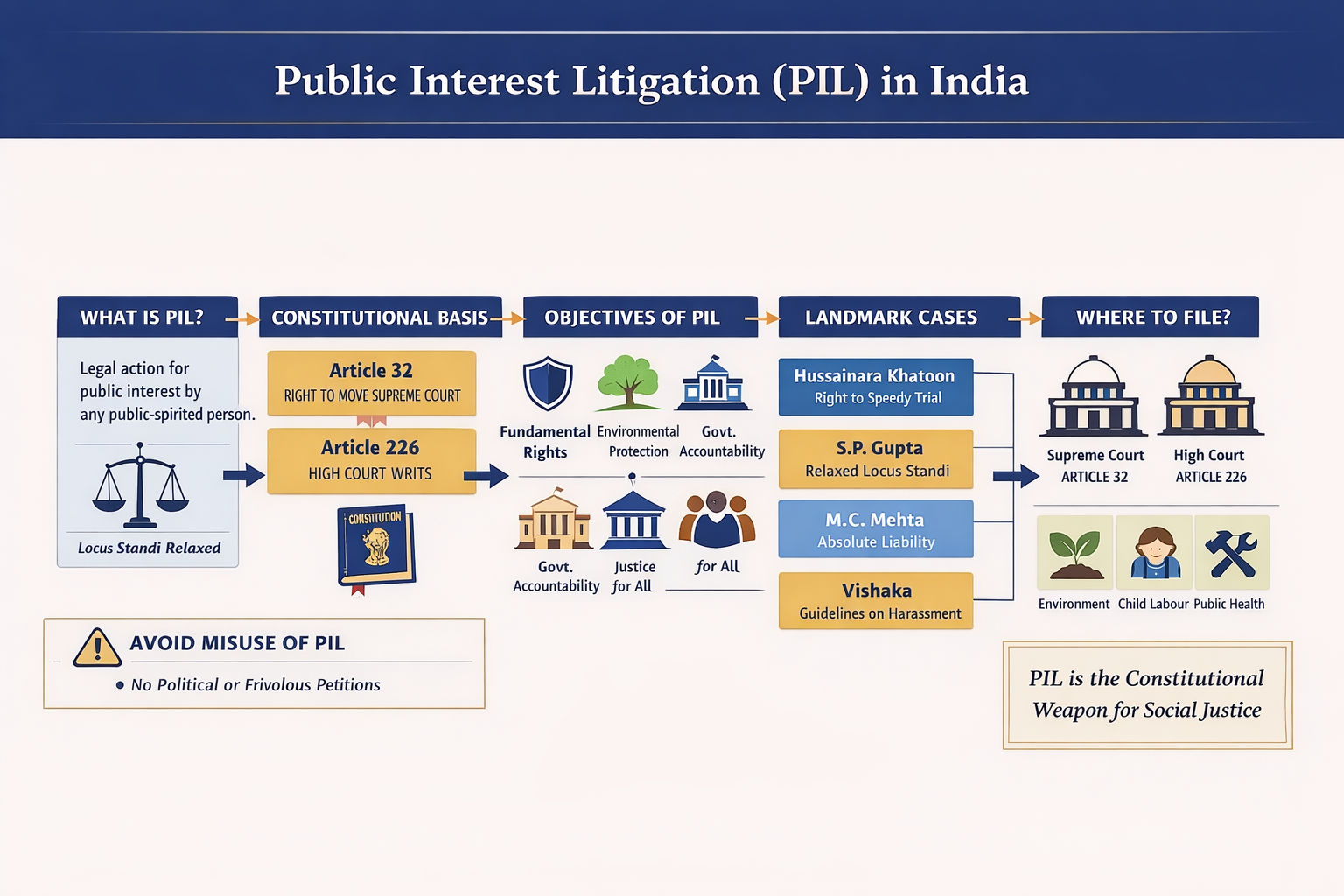
Public Interest Litigation (PIL) has revolutionized the Indian legal system law notes. Explore its evolution from the 1970s, the contribution of Justice P.N. Bhagwati, and essential landmark cases like Hussainara Khatoon and M.C. Mehta in this detailed student guide.
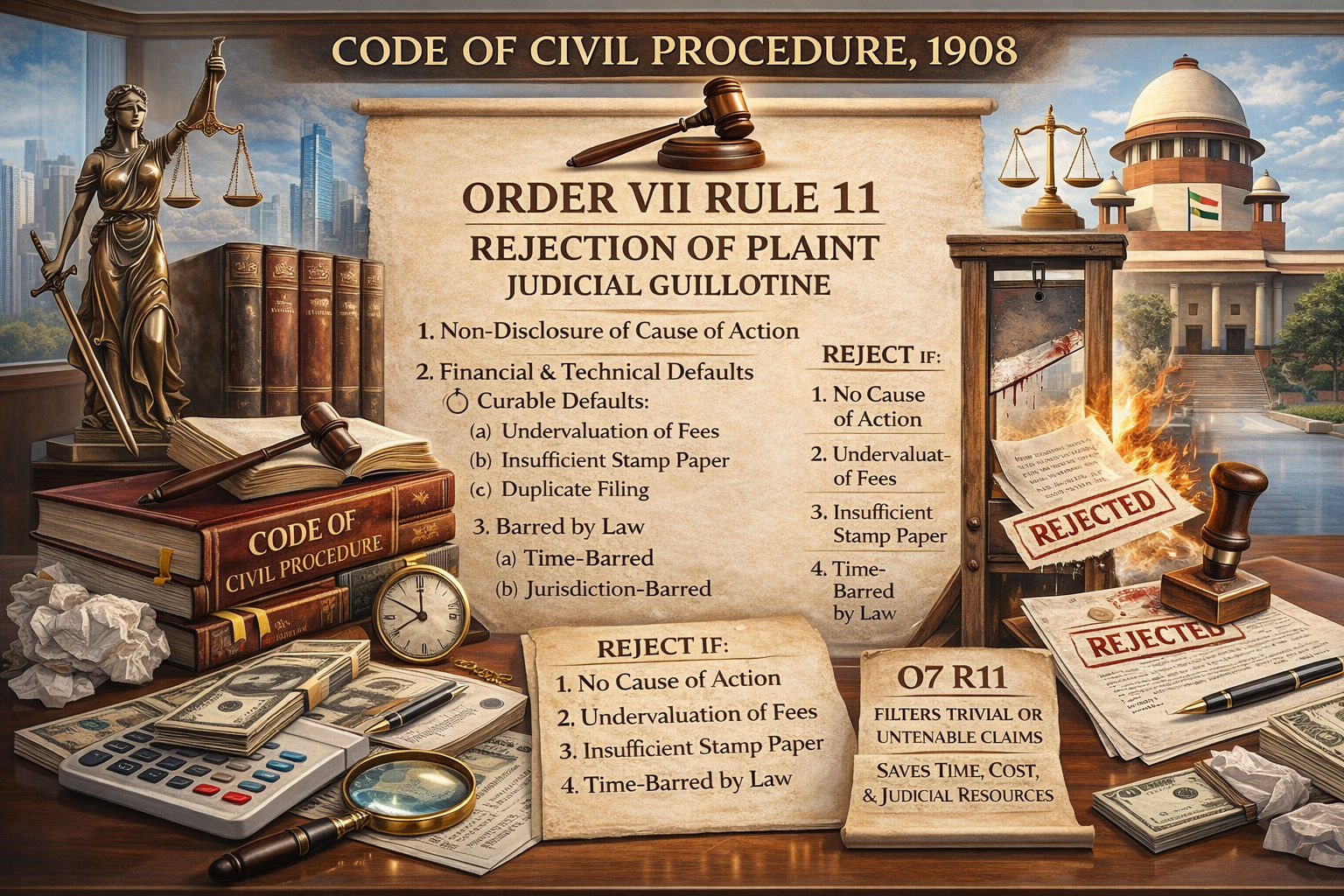
Master Order 7 Rule 11 of the CPC. A detailed analysis of grounds for rejection, the "Four Corners" rule, and strategic tips for legal practitioners.
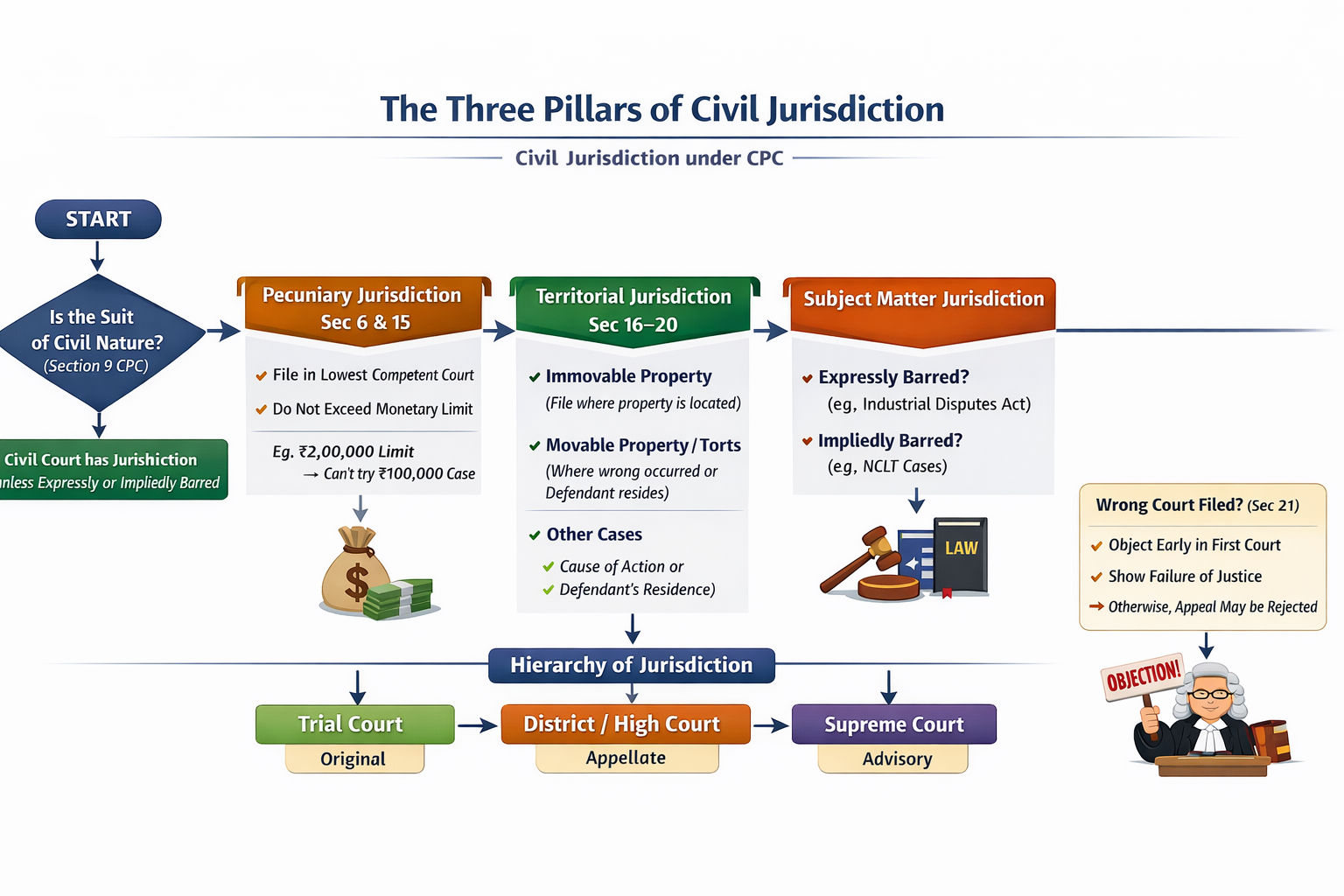
A deep dive into the types of jurisdiction under the Code of Civil Procedure, 1908. Learn the essential rules of Pecuniary, Territorial, and Subject Matter jurisdiction with a focus on Sections 16, 17, and 18.

A comprehensive guide to the Factories Act, 1948. Learn about its definition, scope, health and safety provisions, and why it remains a landmark in Indian labor law.
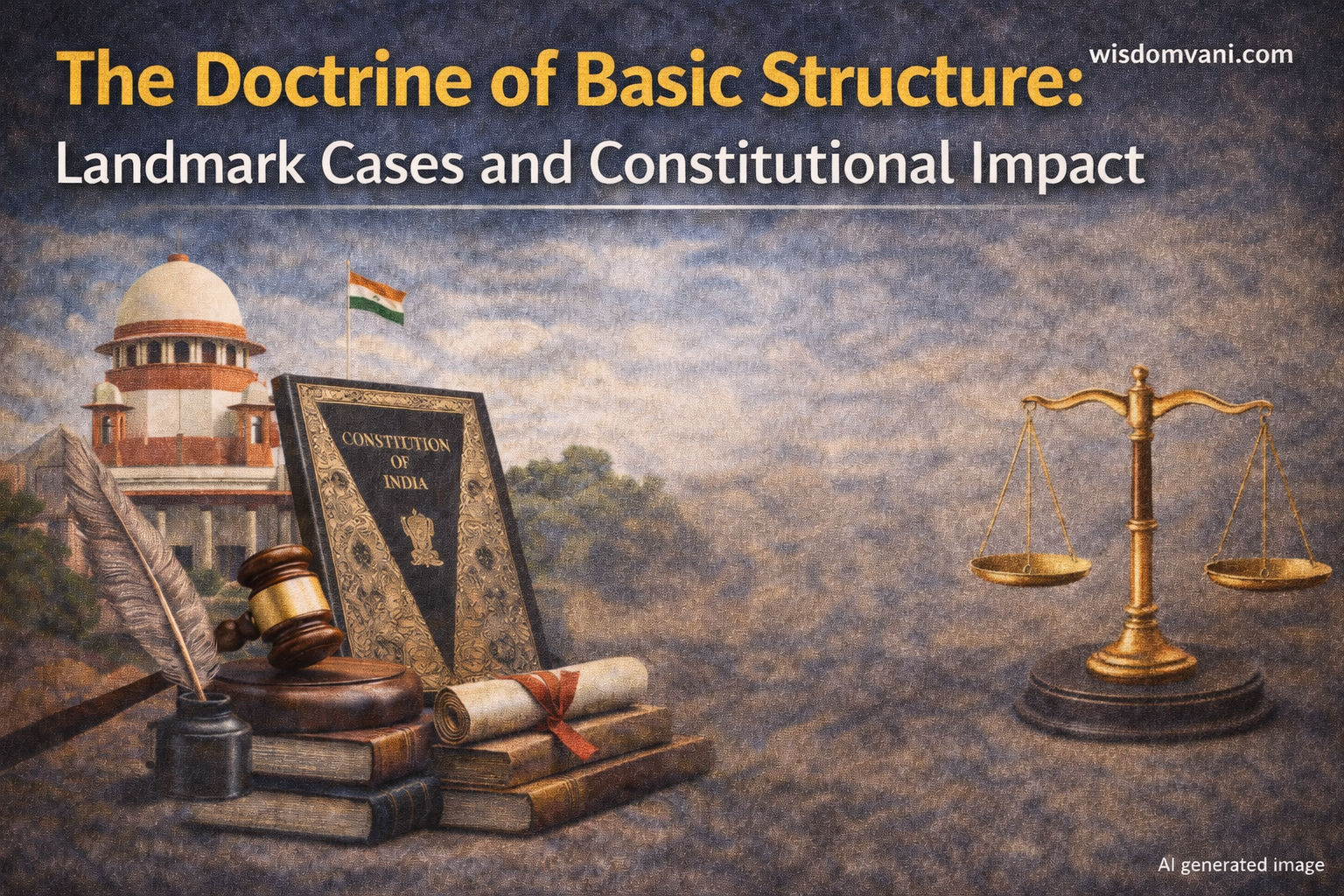
The Doctrine of Basic Structure is the judicial safeguard that prevents Parliament from altering the core identity of the Indian Constitution. Established in the 1973 Kesavananda Bharati case, it ensures that features like secularism, democracy, and judicial review remain untouchable.
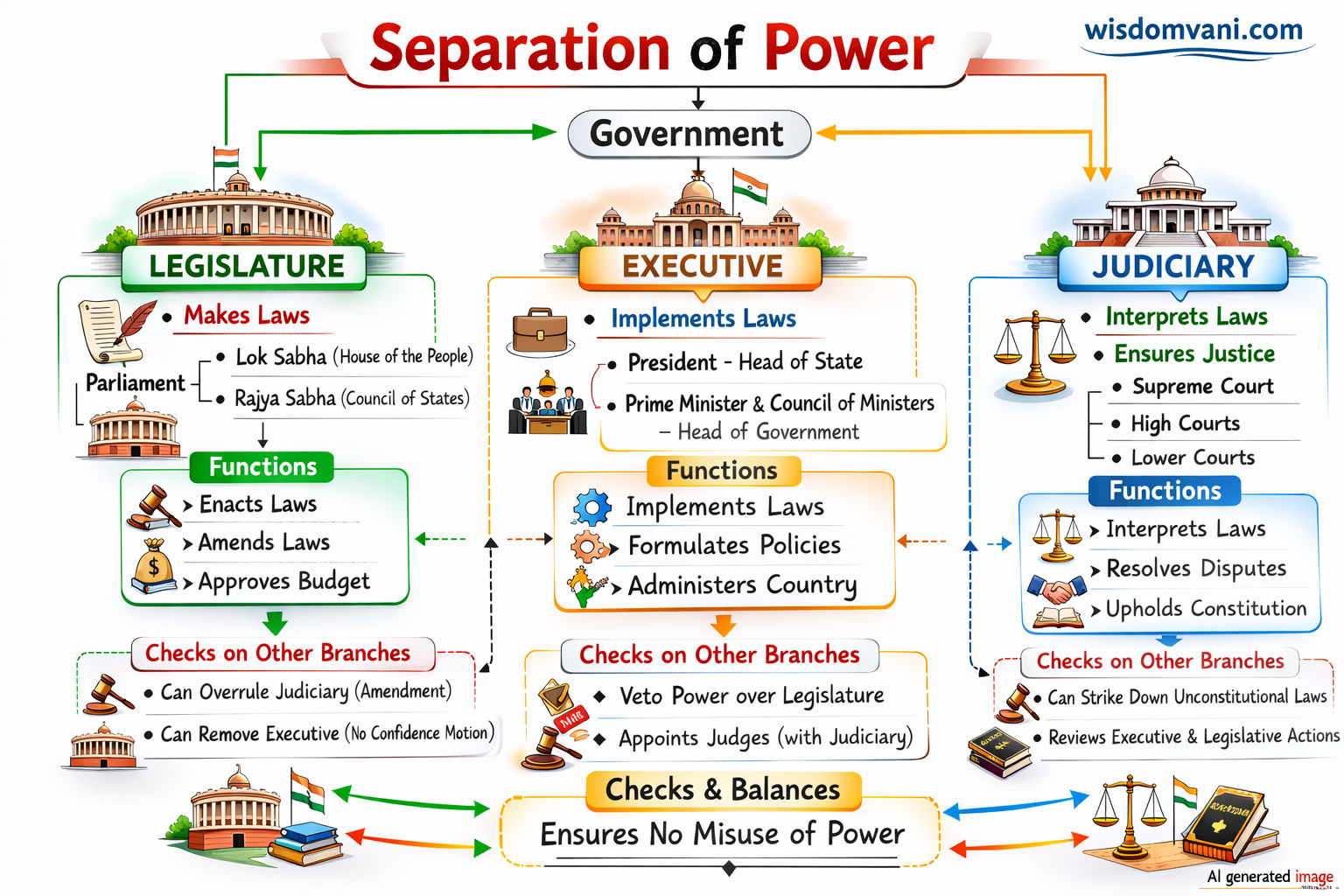
This comprehensive guide explores the Doctrine of Separation of Powers within the Indian legal framework. Covering essential case laws like Kesavananda Bharati and Ram Jawaya Kapur, it provides a student-friendly critical examination of how the Legislature, Executive, and Judiciary maintain constitutional balance.
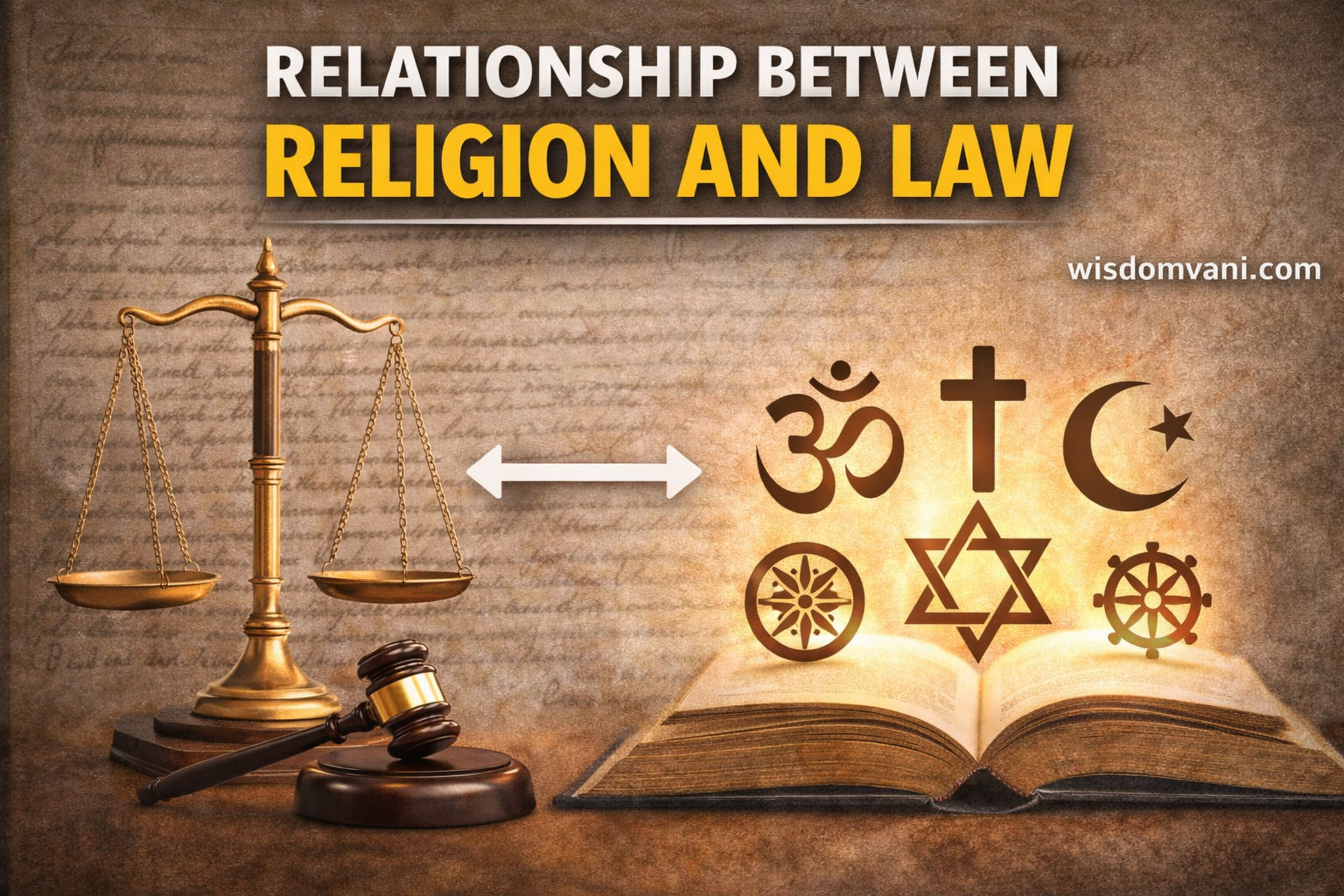
Explore the deep historical and ethical connection between religion and legal systems. This guide breaks down how ancient traditions shaped modern jurisprudence, personal laws, and the concept of secularism for educational purposes.
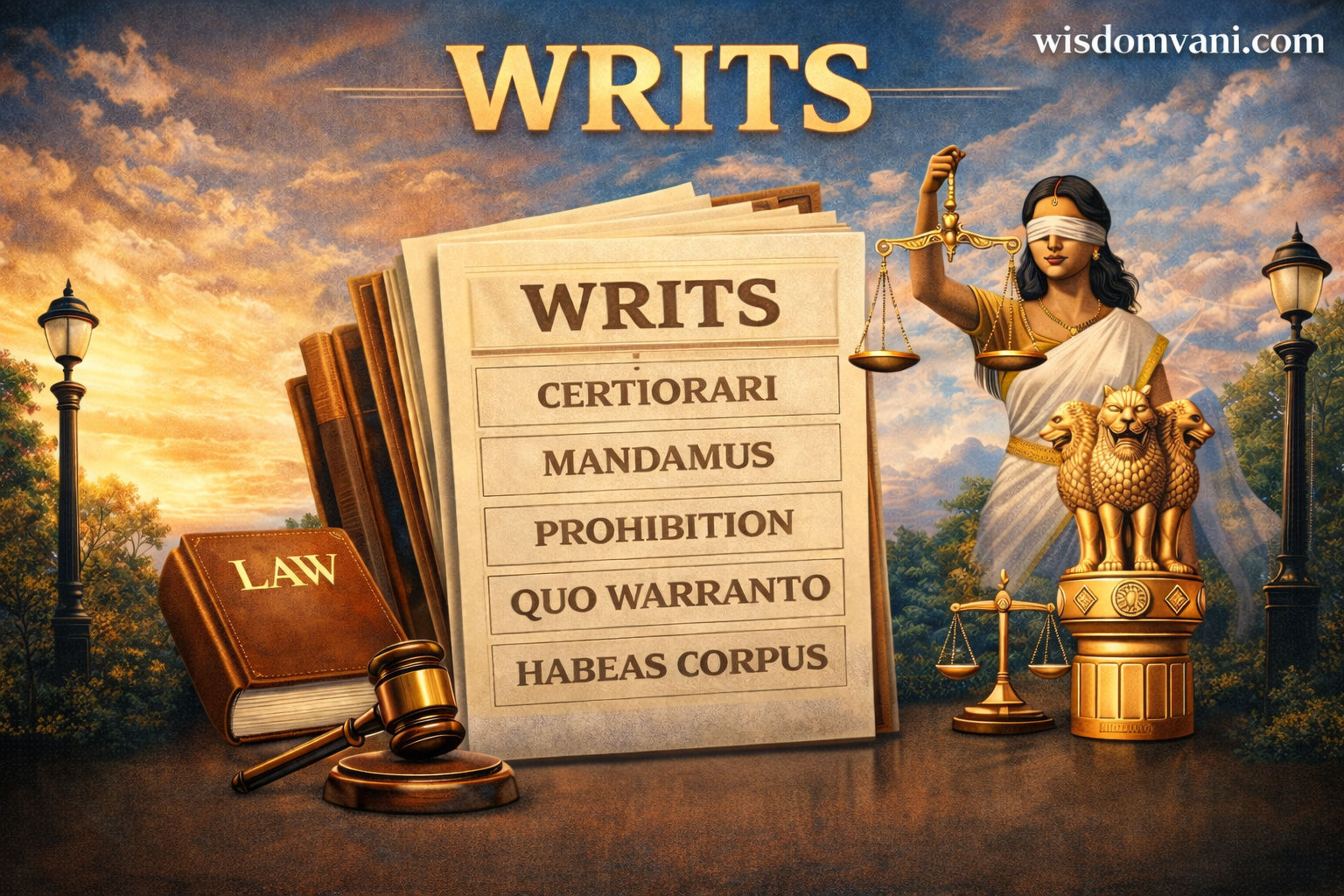
A writ is a powerful legal tool used by courts to protect fundamental rights and command authorities. Discover the 5 types of writs—Habeas Corpus, Mandamus, Prohibition, Certiorari, and Quo-Warranto—and learn when you can use them to seek justice.

An analytical breakdown of the fault-based grounds for divorce available to a Hindu husband, covering Adultery, Cruelty, Desertion, and Conversion under Section 13(1) of the HMA, 1955. Perfect for law exam preparation and legal research.
A comprehensive educational guide on the Parliament of India, covering the roles of the President, Lok Sabha, and Rajya Sabha, plus key legislative functions.

Marriage in Islam is more than a ritual; it is a binding civil contract. This educational guide breaks down the essential legal requirements of Nikah, classifies its various forms (Sahih, Batil, and Fasid), and explains the critical permanent and temporary impediments every law student must know.

Missing a deadline or delivering to the wrong location can lead to a breach of contract. Learn how Sections 46 to 50 of the Indian Contract Act, 1872, define the legal requirements for the time and place of performance when a contract is silent.
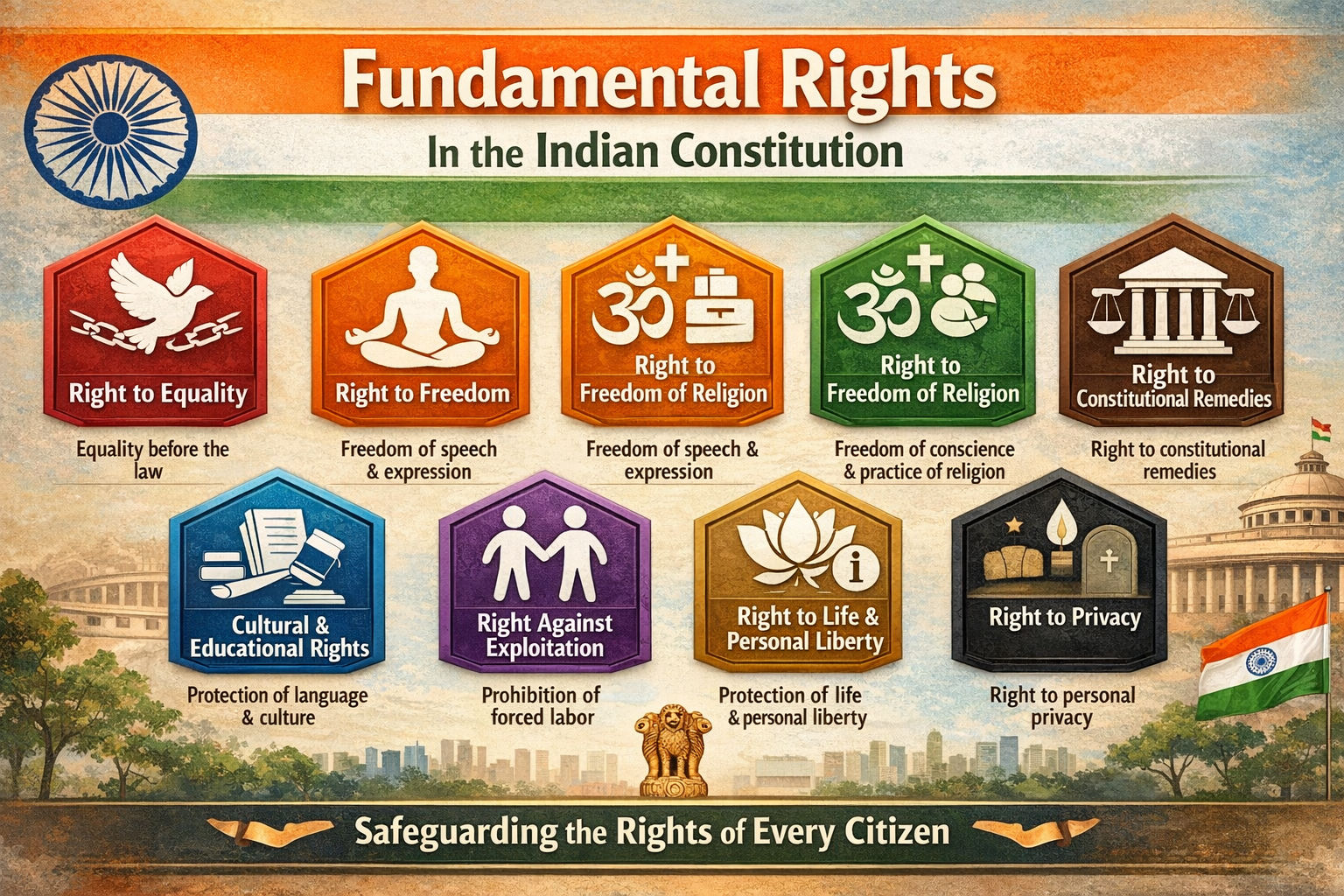
Are you aware of the shield that protects your freedom? Dive into this comprehensive guide on the six Fundamental Rights guaranteed by the Indian Constitution. From the Right to Equality to Constitutional Remedies under Article 32, we break down every article (12–35) with clear explanations to help you understand your power as a citizen and excel in competitive exams like UPSC.
Talaq-e-Hasan is often considered a "proper" form of divorce in Muslim Law due to its revocable nature and focus on reconciliation. However, its unilateral process is currently under intense scrutiny by the Indian Judiciary. This article explores the 90-day procedure, the rights of women, and the constitutional challenges facing this practice.

With the implementation of the Bharatiya Nyaya Sanhita (BNS) 2023, the legal framework for "Dowry Death" has shifted from IPC Section 304B to Section 80. This article breaks down the essential elements of the crime, the stringent punishments ranging from 7 years to life imprisonment, and the "burden of proof" under the new Bharatiya Sakshya Adhiniyam (BSA). Explore how the law protects women and what steps families can take to seek justice.
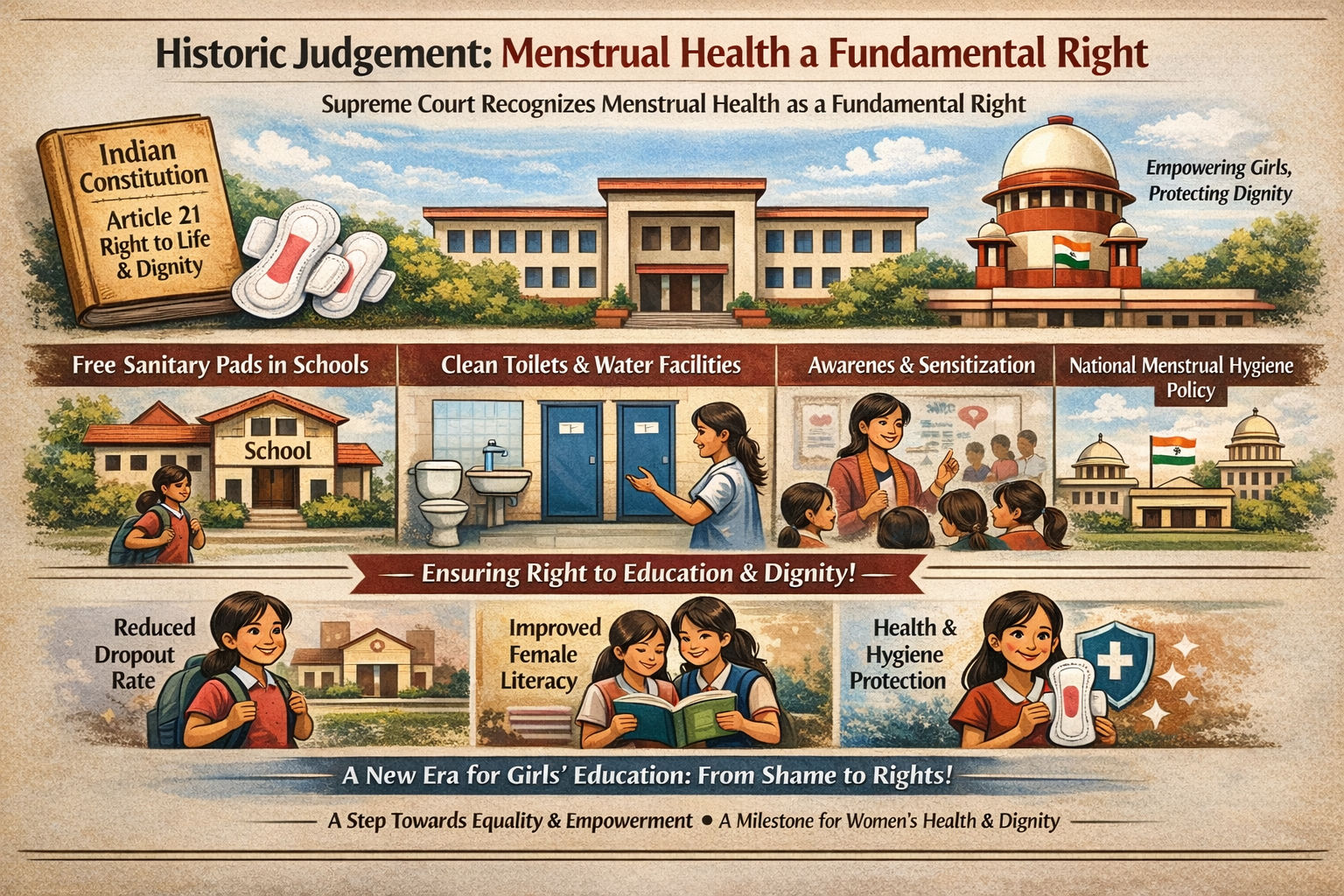
In a landmark ruling on January 30, 2026, the Supreme Court of India declared that access to menstrual hygiene is a Fundamental Right under Article 21. Linking menstrual health to the "Right to Life and Dignity," the Court issued strict directives to all schools to provide free sanitary pads and ensure clean infrastructure. This historic move aims to reduce dropout rates and empower girl students across the nation.

The UGC Rules 2026 aim to promote equity and prevent discrimination in higher education institutions across India. However, their constitutional validity has been questioned on the grounds of Articles 14, 15, and 21 of the Indian Constitution. This article critically examines the objectives, provisions, judicial concerns, and potential constitutional implications of the UGC Equity Regulations, 2026.

Understanding the legal boundaries of police authority is crucial for every citizen. This comprehensive guide explores the 13 specific scenarios under the Bharatiya Nagarik Suraksha Sanhita (BNSS) where a police officer is empowered to make an arrest without a warrant, from cognizable offences to preventive detentions and the rights of the accused.
The Indian Constitution, a living legal document, has enshrined certain fundamental rights as inviolable and enforceable against the “State.”

Subordinate law, sometimes referred to as delegated legislation, is an essential feature of contemporary governance, especially in a dynamic and diverse democracy like India. It describes how the Parliament’s legislative authority is transferred to lower-level authorities, including the executive or administrative branches, so they can enact laws or regulations within the parameters set forth by primary legislation.
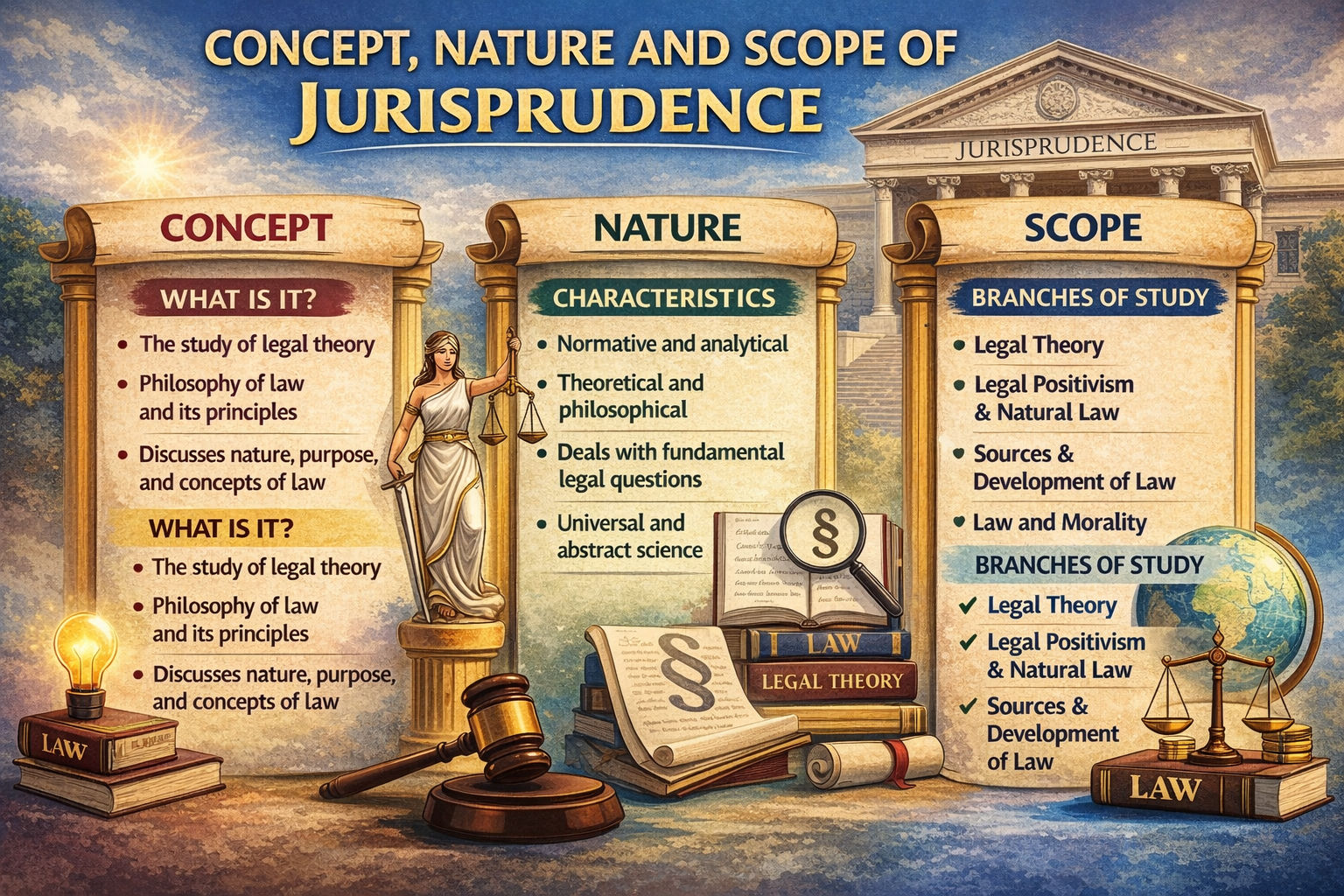
For many, the law is a collection of “thou shalts” and “thou shalt nots”—a rigid set of rules found in thick, dusty volumes. However, to the legal scholar, the law is a living, breathing organism. The heartbeat of that organism is Jurisprudence. Often called the “grammar of law,” jurisprudence is the study that allows us to look past the written word of a statute to understand the soul of justice itself.
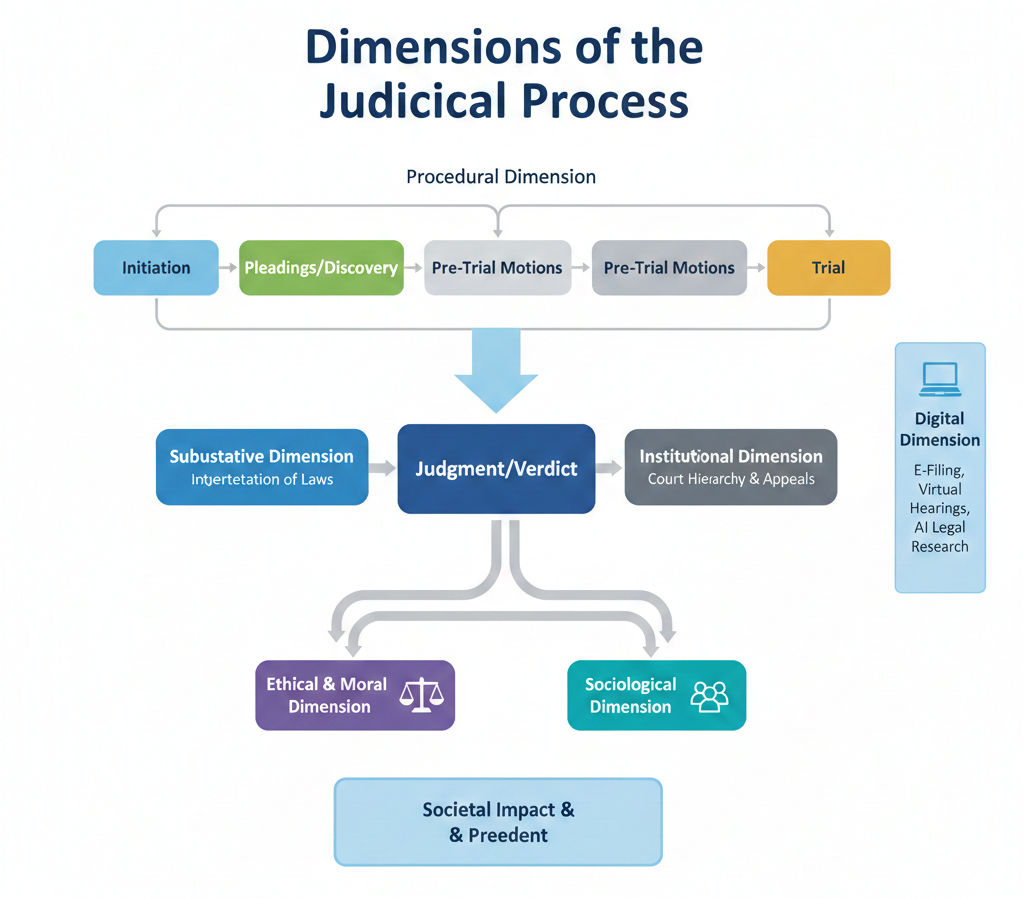
The judicial process is often viewed as a simple straight line: a crime is committed, a trial happens, and a judgment is passed. However, for those within the legal sphere, it is a multi-dimensional architecture designed to balance power, ensure fairness, and uphold the rule of law.
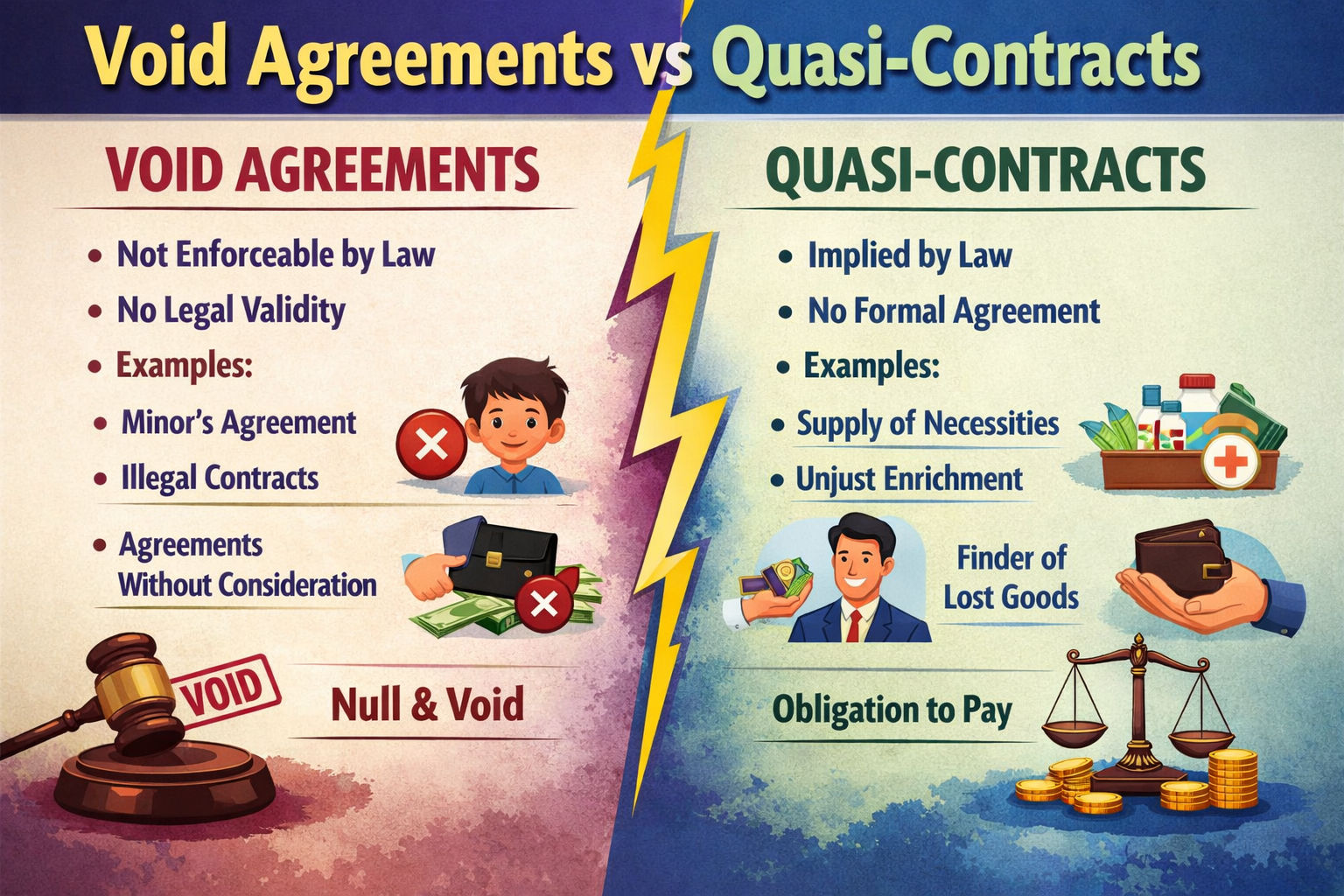
In the intricate world of contracts, not all agreements are created equal. While some form the bedrock of legal enforceability, others are, from the very beginning, destined to be legally meaningless. This brings us to two crucial, yet distinct, concepts under the Indian Contract Act, 1872: Void Agreements and Quasi-Contracts.

In any developing economy, the relationship between labor and management is the engine of growth. However, where there are human interests, conflict is inevitable. To prevent these conflicts from paralyzing the nation’s productivity, the Industrial Disputes Act (IDA), 1947 was enacted.

In 1819, U.S. Chief Justice John Marshall delivered a definition that would shape the modern global economy: “A corporation is an artificial being, invisible, intangible, and existing only in contemplation of law.” While that might sound like a description of a ghost or a legal myth, it is actually the bedrock of capitalism.
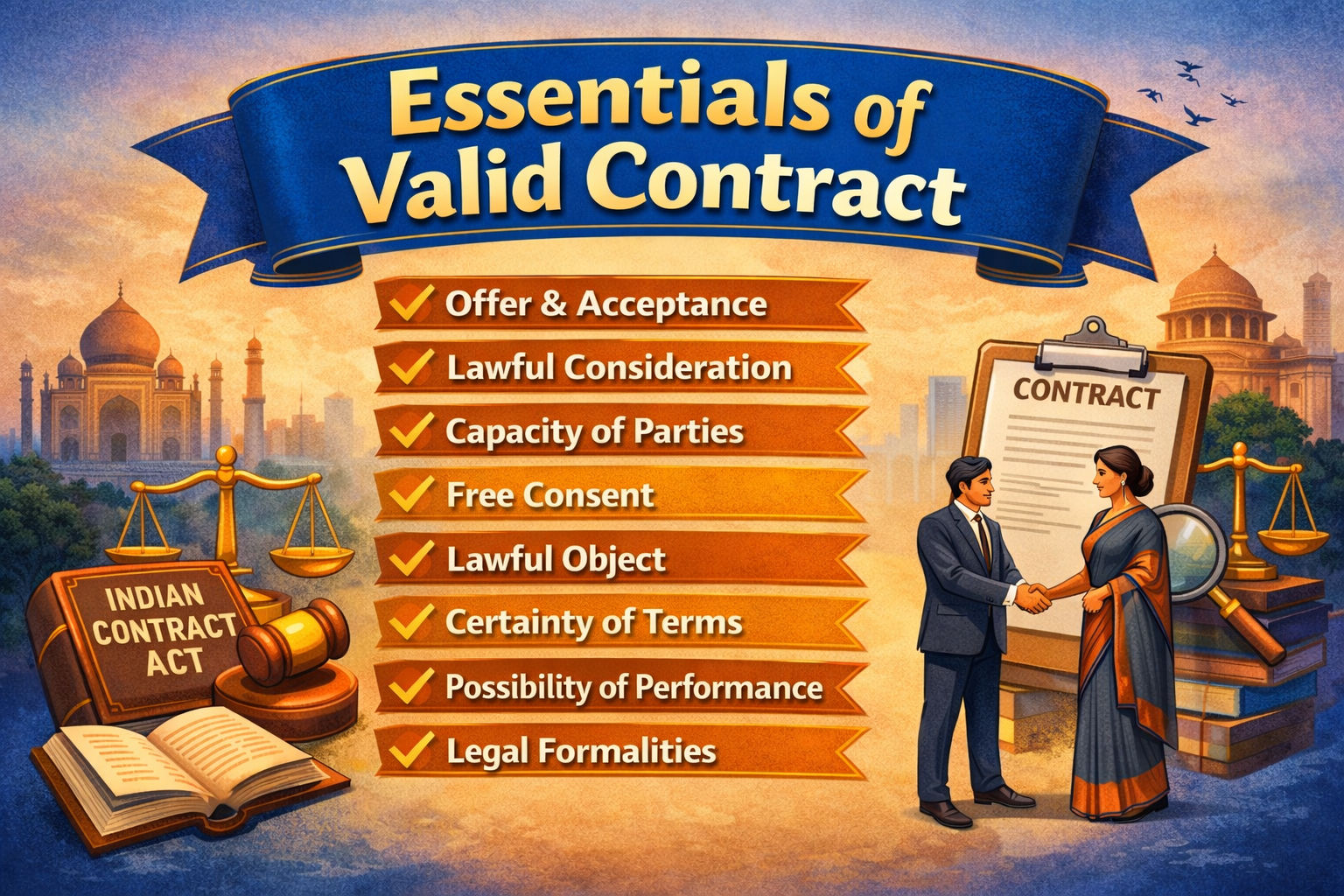
Have you ever wondered why some promises are legally binding while others are just “talk”? In India, the line between a casual handshake and a legally enforceable agreement is drawn by the Indian Contract Act, 1872 (ICA).

A private company enjoys several privileges under the Companies Act, such as fewer compliance requirements, limited disclosure obligations, and restrictions on public participation. However, these benefits are granted with the expectation that the company will strictly adhere to the conditions prescribed for private companies.

Delve into the legal framework of Section 2(68) of the Companies Act, 2013. This comprehensive guide examines the statutory restrictions on share transfers, membership limits, and the strategic advantages of the closely-held structure. Master the legal distinctions between private and public entities to understand how 'Private Limited' firms maintain operational autonomy.

The notion of supra vires, derived from the Latin for “beyond the powers,” is a key principle in company law that limits a corporation’s actions to those specifically authorized by its Memorandum of Association (MOA). This survey note delves deeply into its definition, purpose, legal ramifications, historical development, and modern adaptations, citing a variety of sources to ensure a thorough understanding.
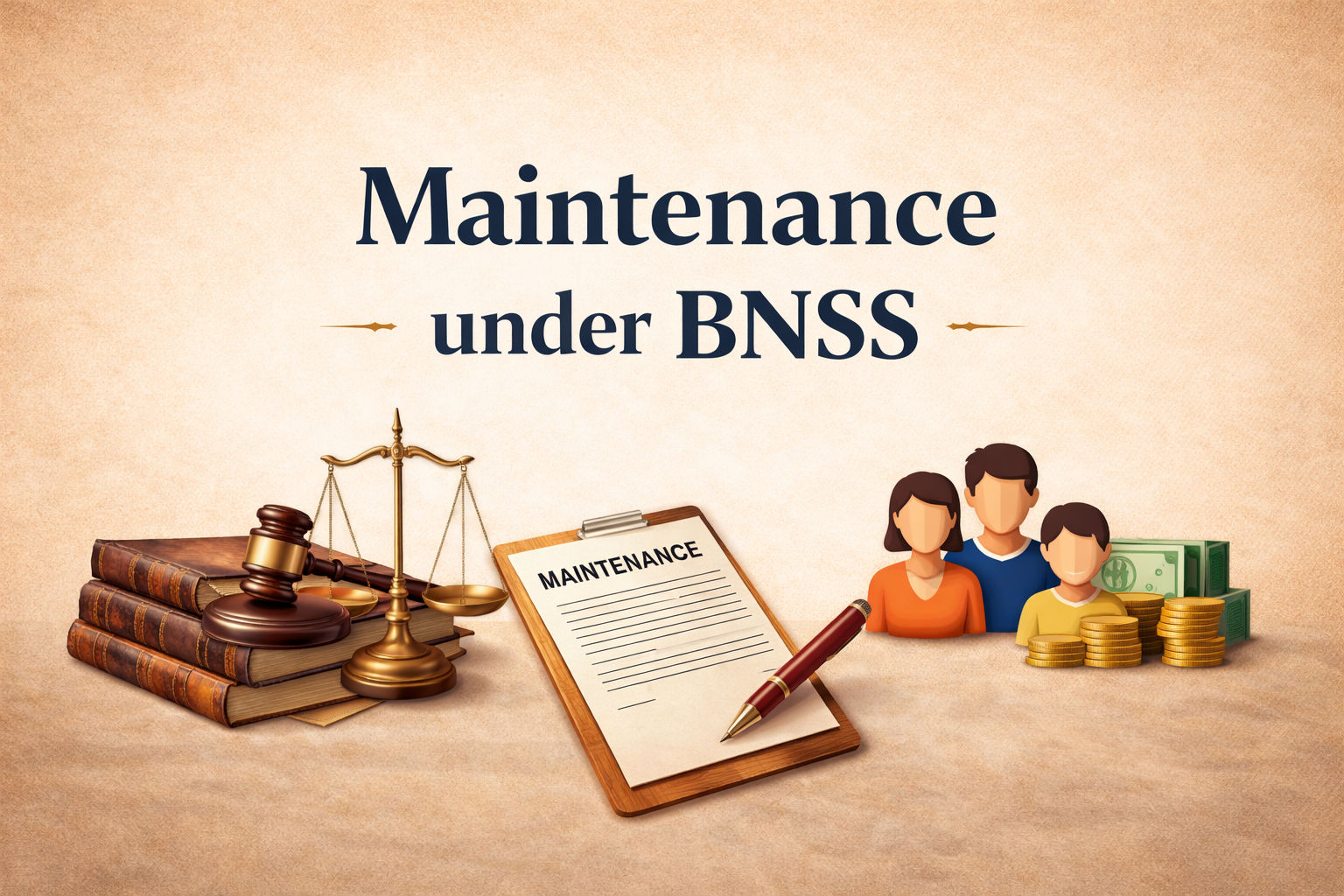
Maintenance laws have evolved with the BNSS 2023. Learn about Section 144, who can claim support, the new timelines for interim maintenance, and how it differs from the old Section 125 CrPC.
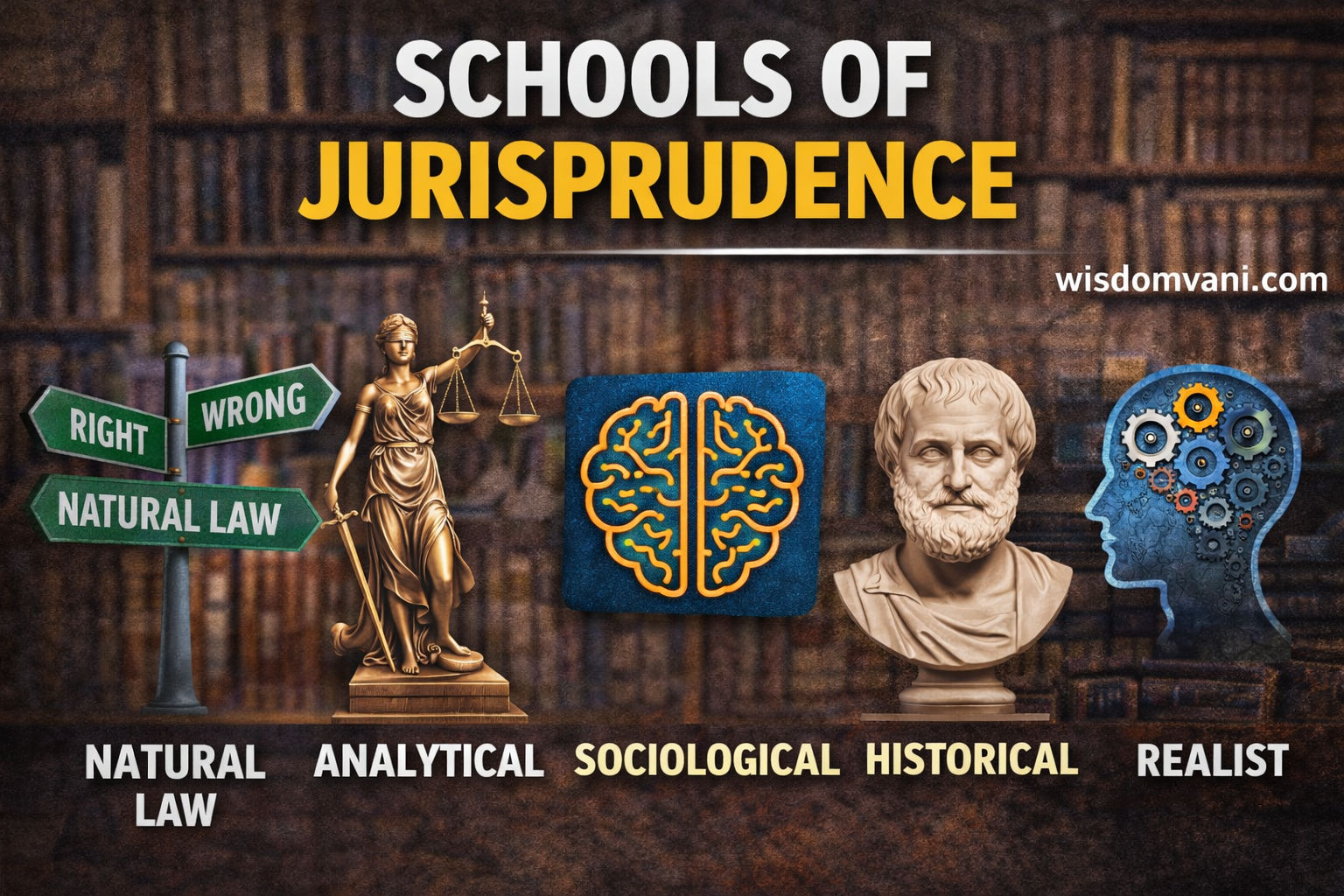
Master the five major schools of jurisprudence—Natural, Analytical, Historical, Sociological, and Realist. This guide breaks down complex legal philosophies into simple concepts for exam preparation and deep legal understanding.

The Bharatiya Nyay Sanhita (BNS), Bharatiya Nagarik Suraksha Sanhita (BNSS), and Bharatiya Sakshya Adhiniyam (BSA) came into force. These laws replaced old colonial codes. Their goal is to modernize, simplify, and improve justice delivery for all citizens.

Does every marriage have legal standing? Under the Hindu Marriage Act, 1955, certain unions are considered "Void" or non-existent from the start. This guide breaks down Section 11, exploring the legal grounds for nullity—such as bigamy and sapinda relationships—consequences for property, and the legitimacy of children born from such unions.

The Hindu Marriage Act, 1955, lays down the rules for Hindu weddings in India, and it also covers Sikhs, Jains, and Buddhists. One important rule is about marrying close relatives—especially cousins. Here’s a straightforward guide to what the law says, why some cousin marriages aren’t allowed, and when exceptions can apply.
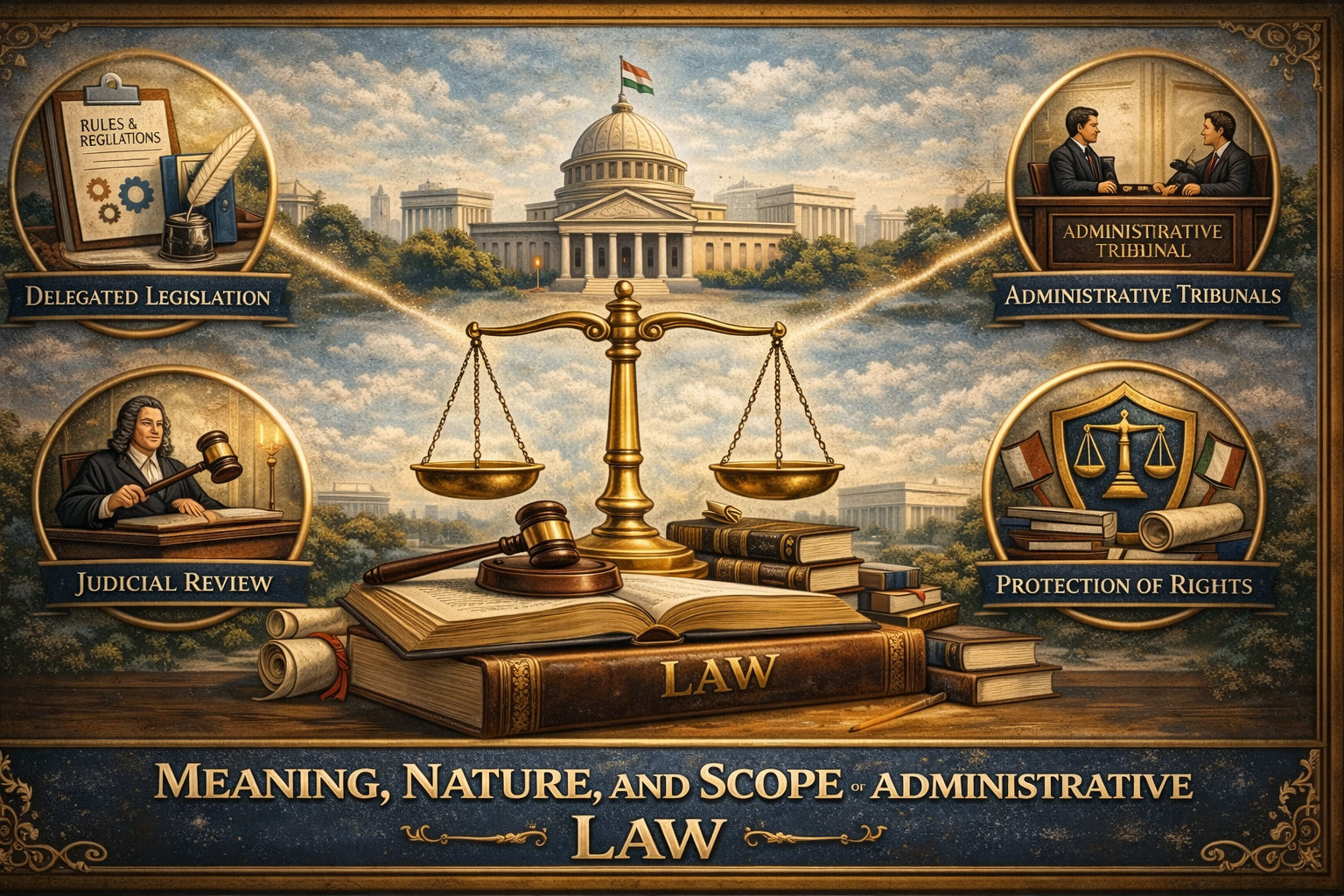
Administrative Law is the backbone of a modern welfare state. While Constitutional Law builds the structure, Administrative Law governs the state in motion. Dive into this comprehensive guide to understand the meaning, nature, and expansive scope of administrative powers, and learn how the law maintains the delicate balance between state authority and individual liberty.
The President of India, as the ceremonial head of state and the first citizen, holds a pivotal role in the nation’s governance framework.
The Bharatiya Nagarik Suraksha Sanhita (BNSS) 2023, as well as the Indian Constitution, provide a strong framework for protecting the rights of those arrested in India. The BNSS, which superseded the Criminal Procedure Code (CrPC) in 1973, establishes procedural safeguards, whereas the Constitution guarantees fundamental rights to ensure fairness, openness, and accountability in the criminal judicial system. The following is a complete overview of an arrested person’s rights under certain legal systems.

Muslim law, often known as Sharia, is a complete legal and ethical framework that controls Muslims’ faith, personal behaviour, and society interactions. Sharia, which is based on divine revelation and prophetic tradition, offers a framework for dealing with matters such as marriage and inheritance, as well as ethical and moral behaviour.
In order to provide a comprehensive knowledge, this part offers a full analysis of the legal system, elaborating on the salient features and phases of both criminal and civil cases as well as the appeal procedures. It does this by consulting a number of reliable sources.

This forbids bigamy or polygamy and enforces monogamy. According to Section 11, if one of the parties is already married to another living person, the marriage shall be null and void.
Hindu law is one of the oldest legal systems in the world, with origins that go back thousands of years. It has been influenced by a wide range of historical writings, traditions, and contemporary legislative changes.
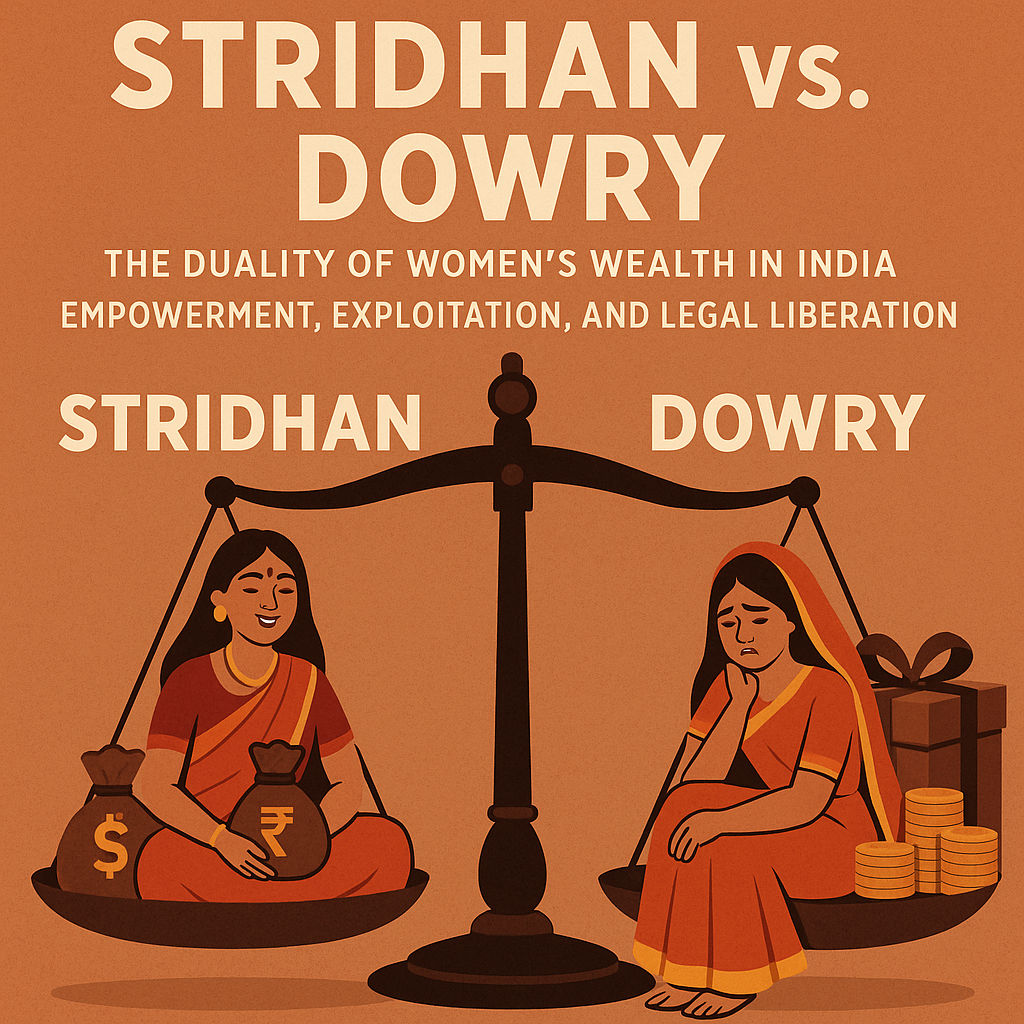
In Indian culture, marriage transcends the mere joining of two individuals; it embodies a multifaceted interaction of cultural customs, familial responsibilities, and legal structures. Within this framework, two significant concepts frequently discussed are Stridhan and dowry, both of which are deeply entrenched in Indian matrimonial customs.

The Hindu Marriage Act of 1955 (HMA) specifies the reasons, or “grounds,” on which a person may seek for divorce. I’ll explain these grounds in simple terms and present an outline of India’s current divorce rate based on accessible data.
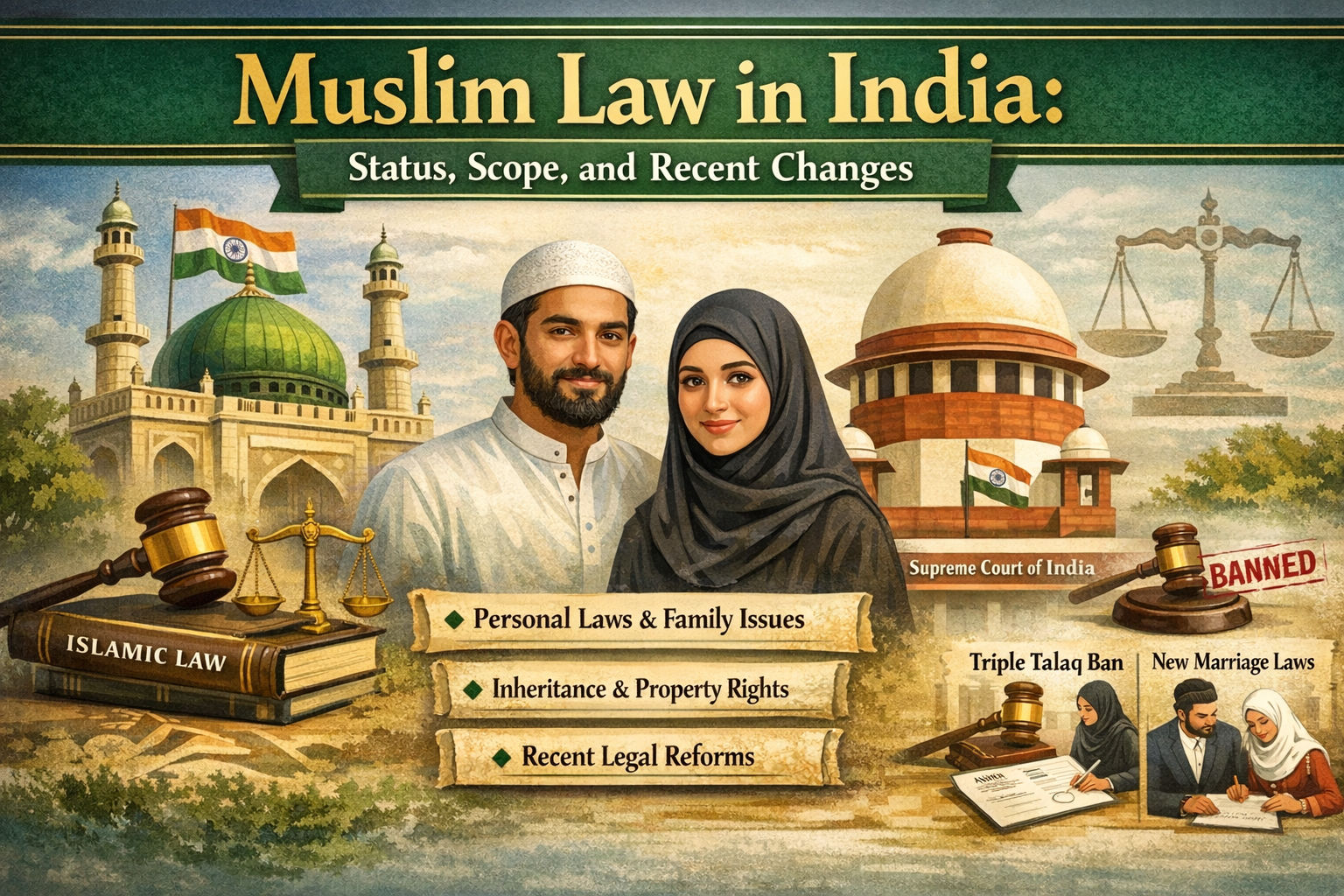
Explore the complex landscape of Muslim Personal Law in India. From the foundational Shariat Application Act to landmark reforms like the criminalization of Triple Talaq, this guide unpacks the legal status, scope, and the ongoing debate surrounding the Uniform Civil Code (UCC).

Explore the legal doctrine of Delegatus Non Potest Delegare. Learn why a delegate cannot sub-delegate their powers, the exceptions in administrative law, and key Supreme Court judgments that define this principle.
A Waqf Board is a statutory entity in India that manages lands provided for religious, charitable, or community purposes under Islamic law, also known as waqf. These properties, such as mosques or schools, are managed to ensure they serve their intended purpose, like supporting the poor or maintaining religious sites.