
Santhankulam Case 2026: Legal Analysis of Custodial Death and Court Verdict
A comprehensive legal overview of the Santhankulam case, examining custodial rights, court proceedings, and the 2026 verdict.
40 articles
A comprehensive legal overview of the Santhankulam case, examining custodial rights, court proceedings, and the 2026 verdict.
The Supreme Court of India has ruled that individuals converting to religions other than Hinduism, Sikhism, or Buddhism lose their Scheduled Caste (SC) status and cannot claim reservation or protection under the SC/ST Act.
The Supreme Court recently intervened in a dispute over a "confusing" constitutional question in the Chandigarh Law Officer recruitment exam, ruling that both candidates who gave different "correct" answers should be appointed.
The Delhi High Court Chief Justice has declined Arvind Kejriwal's request to transfer the excise policy case to a different bench, ruling that the case remains with Justice Swarana Kanta Sharma as per the judicial roster.
The Supreme Court has issued a notice to the Centre on a PIL seeking a nationwide ban on animal sacrifice in temples. Explore the legal conflict between Section 28 of the PCA Act and the 'Right to Life' under Article 21.
Chief Justice Surya Kant suggests a major shift in the 3-year practice rule for judicial exams, proposing practical training after selection to reduce student stress and uncertainty.

The Calcutta High Court recently ordered the release of a Bangladeshi man who spent 21 years in jail, reinforcing that under the Juvenile Justice Act, a minor cannot be detained for more than seven years. This landmark ruling highlights the supremacy of the JJ Act over general criminal law and the importance of age determination in judicial proceedings.
The Karnataka High Court recently clarified that storing child pornographic material on a device with the intent to transmit is a punishable offense under the POCSO Act. Read our analysis of the Binoj P.J. vs. State case.
The Bombay High Court recently overturned a Nashik Family Court's divorce decree, stating that WhatsApp chats cannot be the sole basis for granting a divorce without a fair trial and the opportunity for rebuttal.
The Supreme Court of India recently questioned a husband’s claim of earning only ₹9,000 per month in an alimony case, reiterating the legal principle that a husband must "beg, borrow, or steal" to maintain his wife.
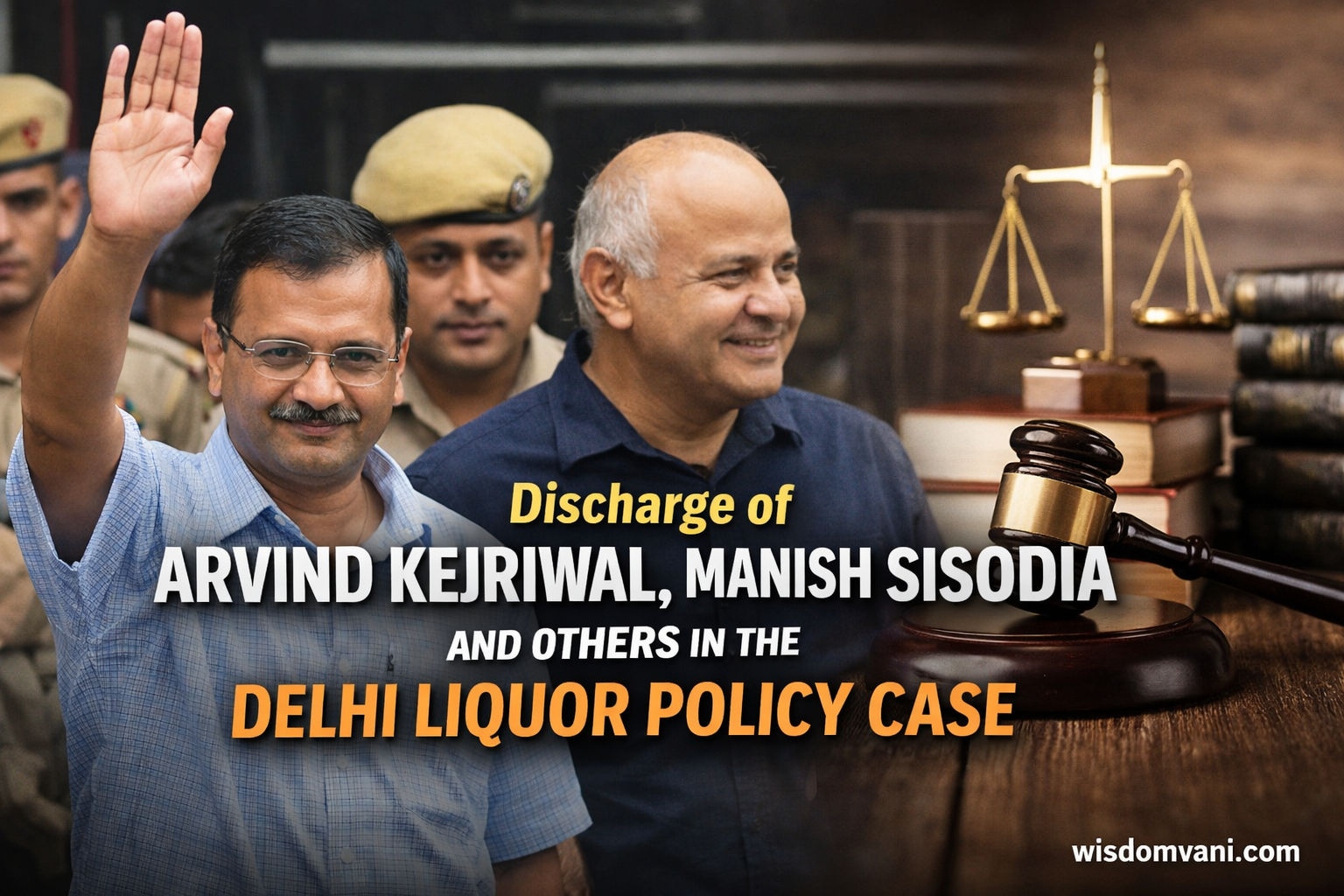
In a landmark 598-page order, Special Judge Jitendra Singh discharged all 23 accused in the Delhi Excise Policy case, including Arvind Kejriwal and Manish Sisodia, labeling the CBI’s investigation as a "premeditated and choreographed" narrative lacking solid evidence.

A detailed analysis of the Madhya Pradesh High Court's ruling on how a 5-month rent default makes a compromise decree executable, leading to tenant eviction.
The Karnataka High Court recently ruled that a spouse cannot access their partner's Income Tax Returns (ITR) through an RTI application. Learn why ITR is considered "personal information" and the legal way to obtain financial records in matrimonial cases.

The Supreme Court of India moves to formally dispose of the 40-year-old M.C. Mehta environmental cases. Discover why CJI Surya Kant labeled the perpetual pendency an "embarrassment" and what this means for the future of PILs and environmental monitoring.
The Delhi High Court rules that a horoscope mismatch is a "convenient pretext" and not a valid defense for backing out of a marriage promise after sexual relations.
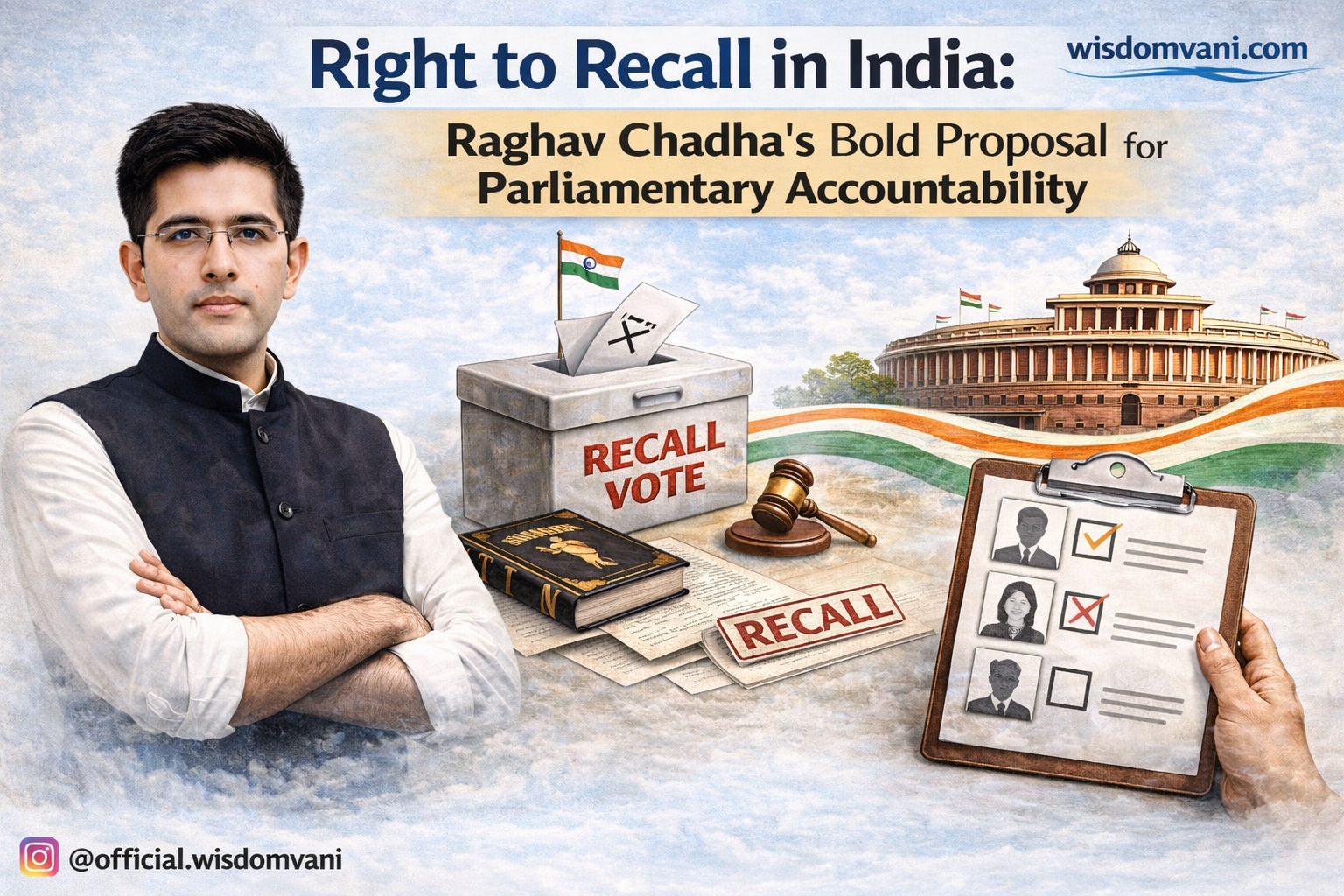
An in-depth look at the "Right to Recall" discussed by MP Raghav Chadha in the Sansad. Explore the legal mechanics, constitutional challenges, and how this could redefine Indian democracy by giving voters the power to remove non-performing representatives.
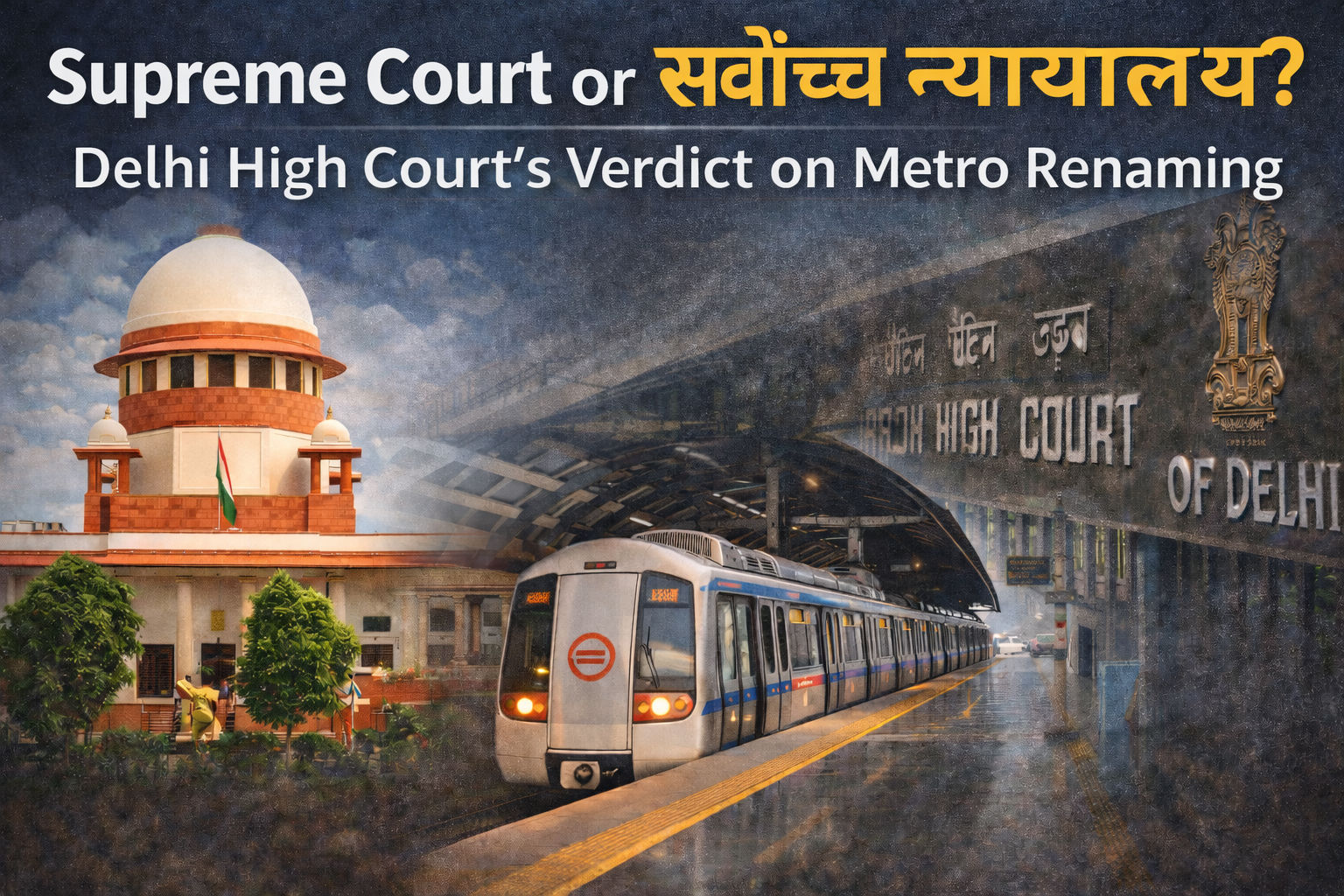
The Delhi High Court challenges DMRC’s ₹45 lakh excuse for not renaming the 'Supreme Court' Metro station to 'Sarvoch Nyayalaya.' Is linguistic identity more important than administrative costs? Dive into the latest legal update.
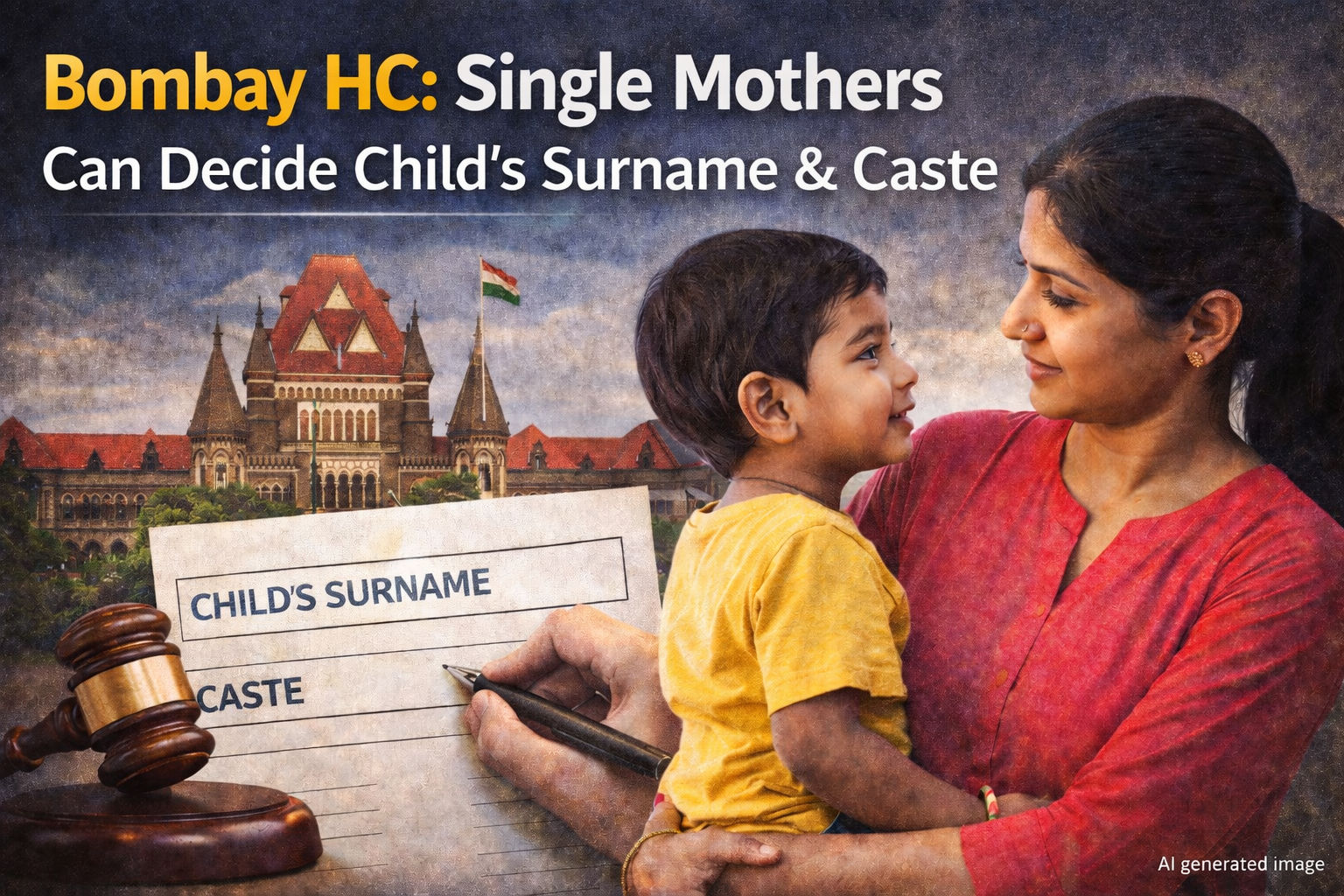
The Bombay High Court, led by Justices Vibha Kankanwadi and Hiten S. Venegavkar, ruled that a single mother has the absolute right to determine her child’s surname and caste, following the 2022 Supreme Court precedent in Akella Lalitha.
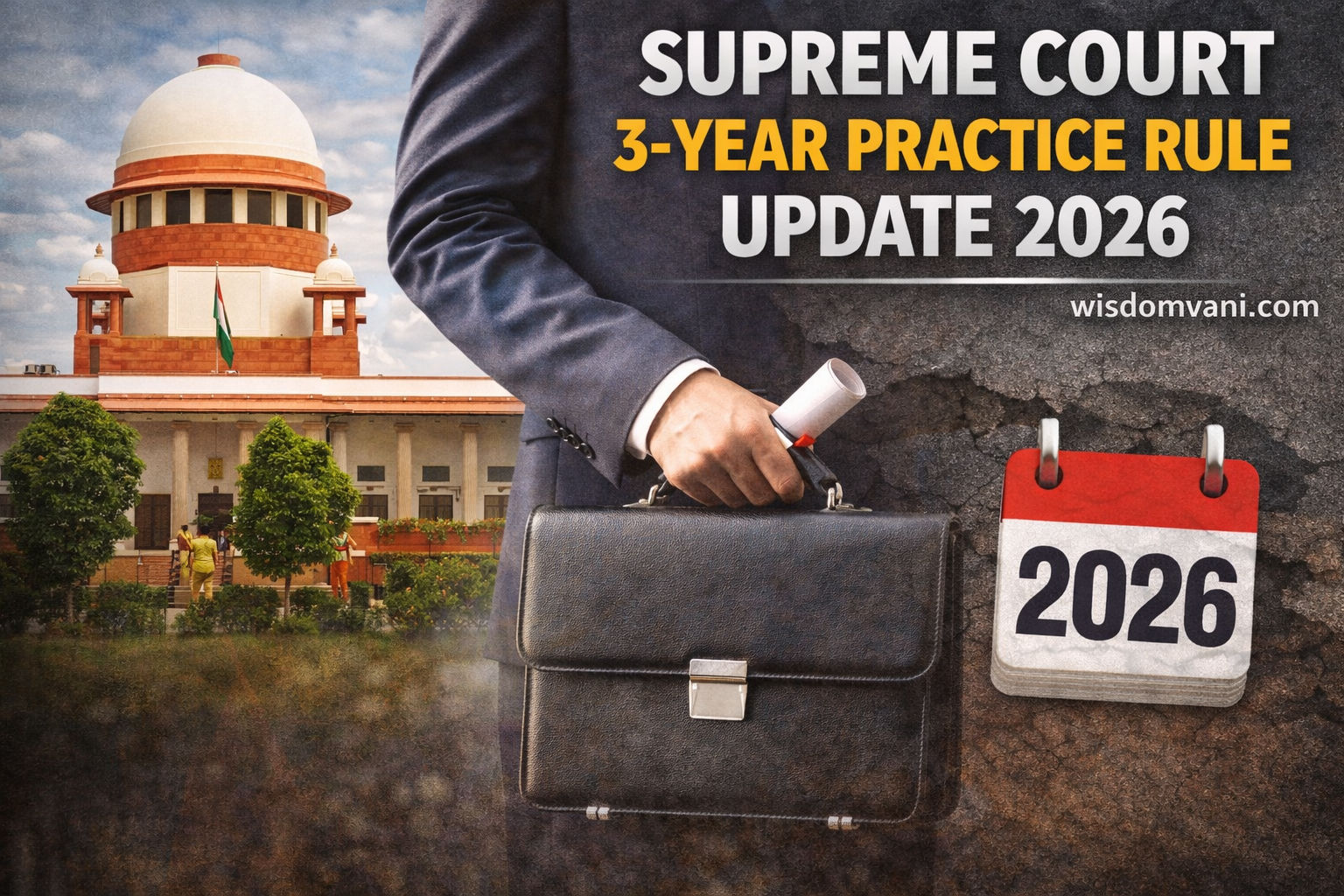
The Supreme Court is reviewing the mandatory 3-year practice rule for Civil Judge exams. Discover the latest updates, hearing dates, and how it impacts your eligibility.
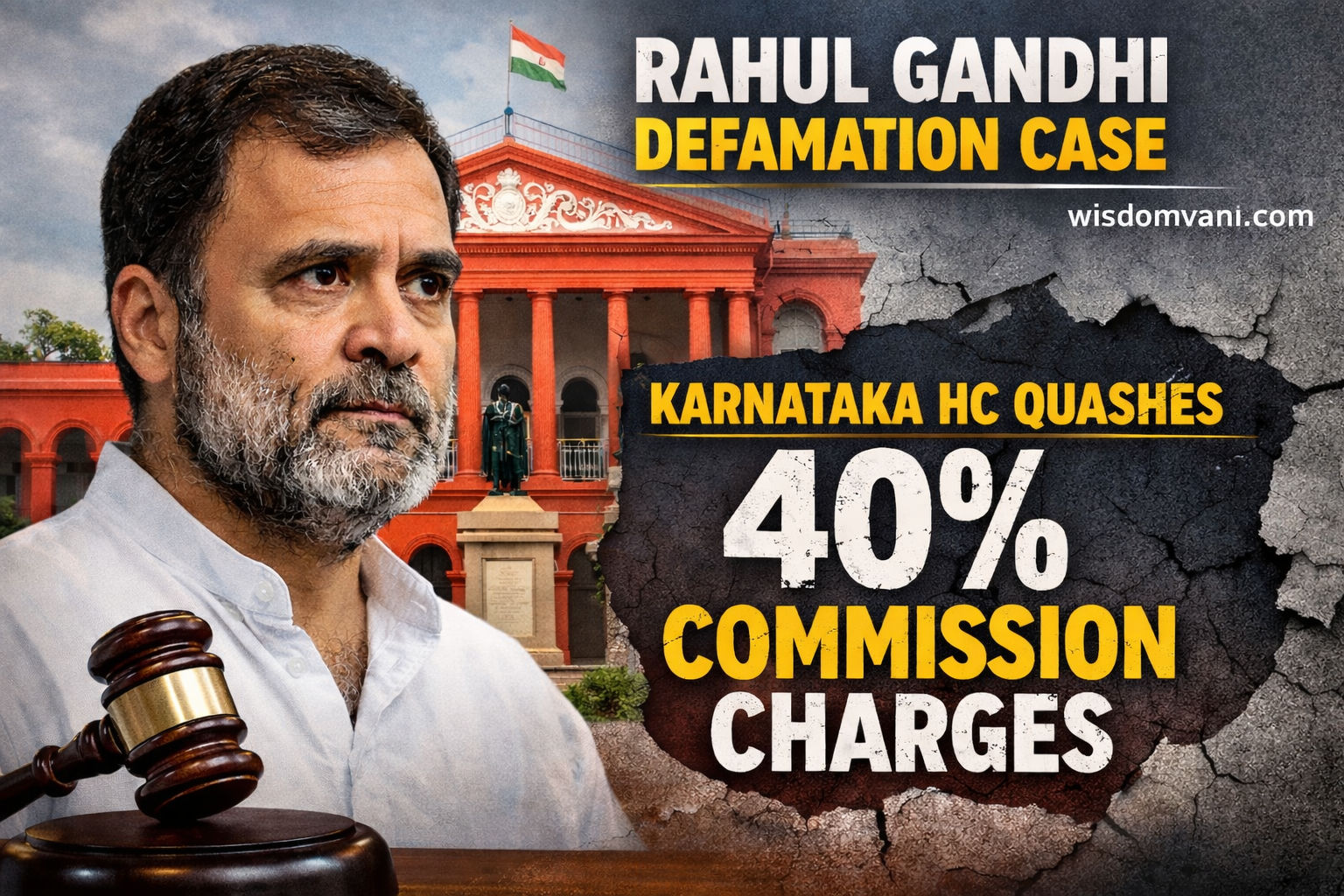
In a landmark 2026 ruling, the Karnataka High Court quashed the criminal defamation case against Rahul Gandhi regarding the "40% Commission" advertisements, citing a lack of locus standi and protecting political speech.
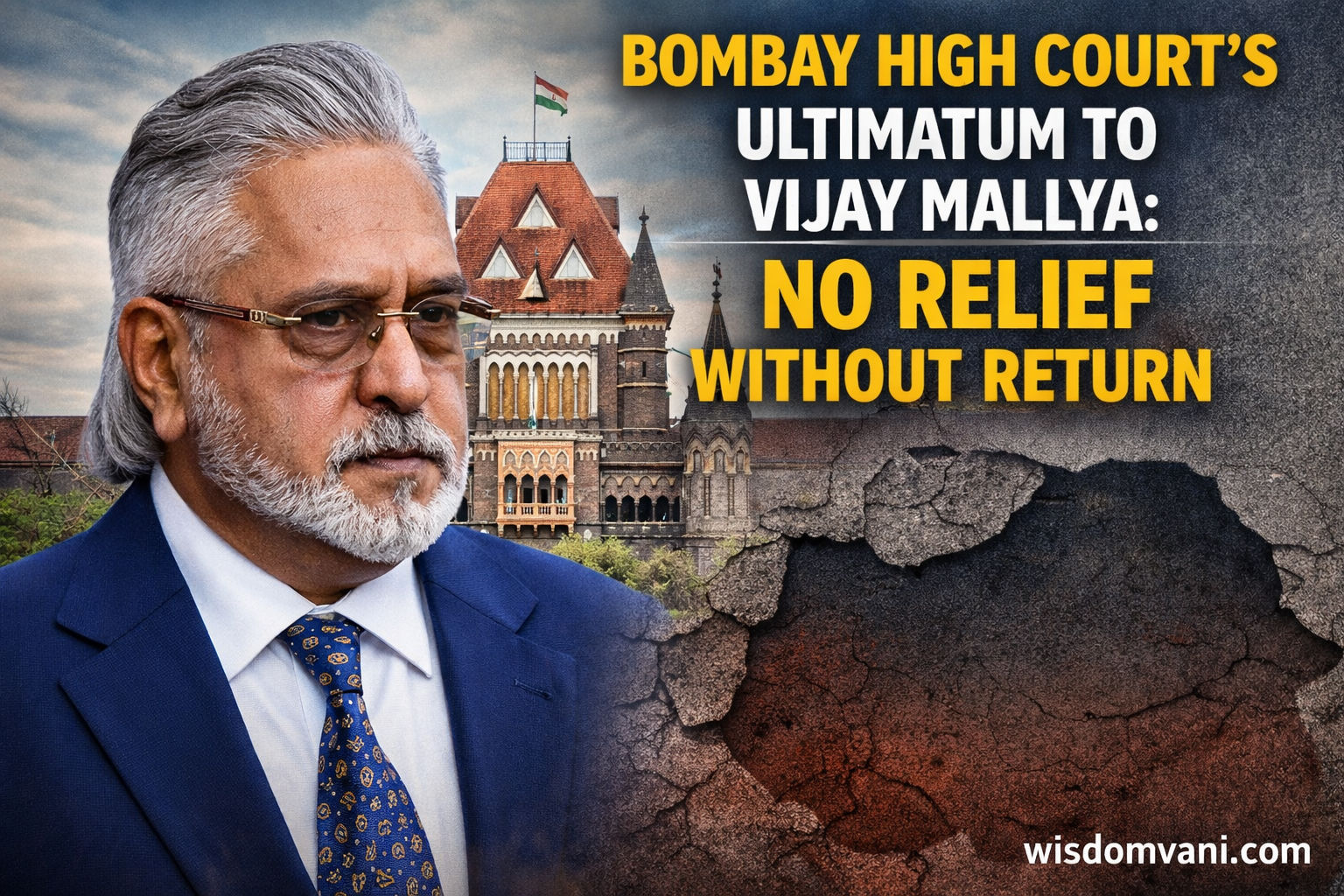
In a major development on February 18, 2026, the Bombay High Court gave Vijay Mallya "one last chance" to provide a return timeline, refusing to hear his challenge against the Fugitive Economic Offender (FEO) status until he physically appears in India.
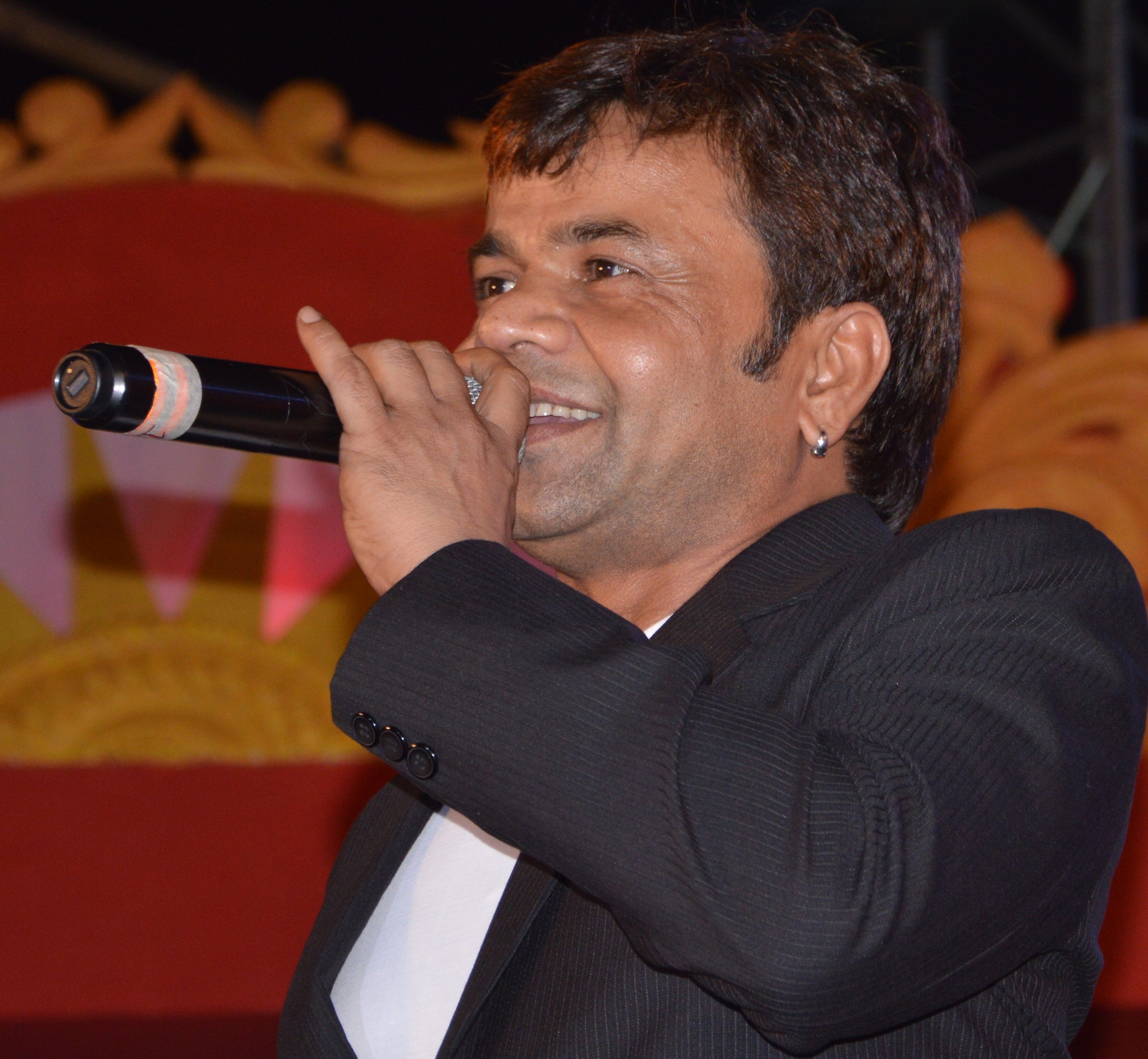
In a major relief for Bollywood actor Rajpal Yadav, the Delhi High Court has suspended his jail sentence in a ₹5 crore cheque bounce case. The actor is set to walk out of Tihar Jail after depositing ₹1.5 crore and surrendering his passport.
The Madhya Pradesh High Court recently dismissed a plea to admit a pen drive as evidence in a forgery case. Discover why voice identification and Section 63 BSA compliance are now mandatory for digital proof.
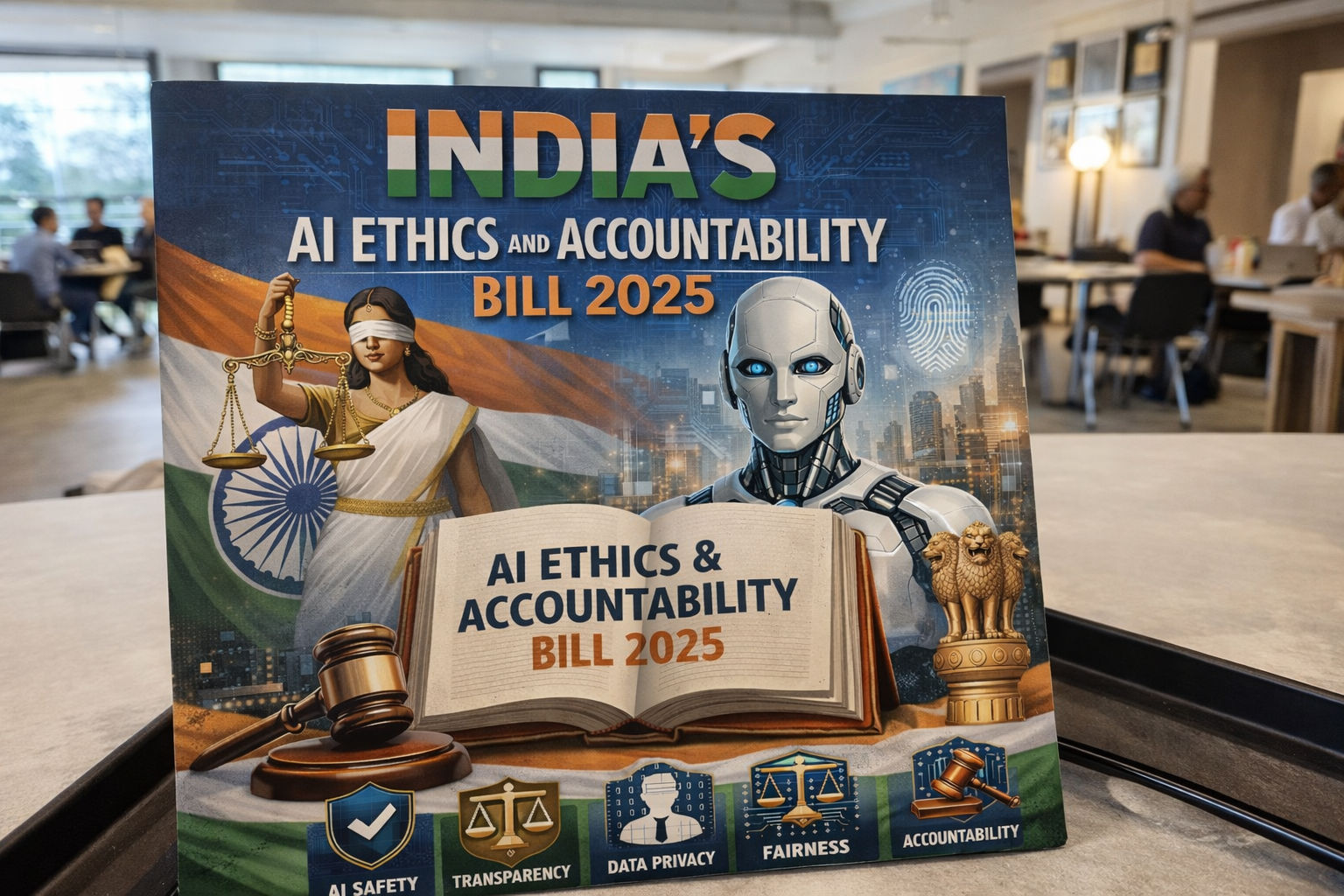
Learn about the Artificial Intelligence (Ethics and Accountability) Bill 2025 introduced in India. This educational guide explains the shift from "light-touch" regulation to binding rules, the role of Private Member's Bills, and how it aims to protect citizens from AI bias and surveillance.
.png)
The Supreme Court of India recently condemned a violent incident at Tis Hazari Court, calling it a failure of the rule of law. Read the directives issued by CJI Surya Kant.
.png)
The Supreme Court has intervened in the five-month-long detention of Ladakh activist Sonam Wangchuk under the NSA. Citing his deteriorating health and his status as an activist rather than a "habitual offender," the court has asked the Central Government to reconsider his imprisonment. With the next hearing set for February 9, 2026, the case stands at a crossroads between national security and the right to dissent.
.png)
Donald Trump’s re-imposition of "Reciprocal Tariffs" has sent shockwaves through the Indian trade sector. While recent negotiations lowered the rates to 18%, the initial 50% surge exposed India's economic vulnerabilities. This article critically analyzes the long-term damage to Indian MSMEs, the pressure on India’s strategic autonomy, and why these trade barriers are a major setback for the 'Make in India' initiative.
The Delhi High Court, through Justice Vikas Mahajan, recently addressed the complex intersection of the POCSO Act and adolescent romantic relationships. While consent of a minor remains legally invalid, this judgment highlights how "non-coercive" intent and age proximity to 18 can be vital grounds for bail.
The 60-year-old Income Tax Act of 1961 is officially being replaced by the New Income Tax Act, 2025, starting April 1, 2026. This landmark shift announced in Budget 2026 aims to cut down legal litigation by halving the number of sections and simplifying complex jargon. From the introduction of a unified 'Tax Year' to tax-free interest for accident victims, this article breaks down exactly how the new law differs from the old and what every taxpayer needs to know.
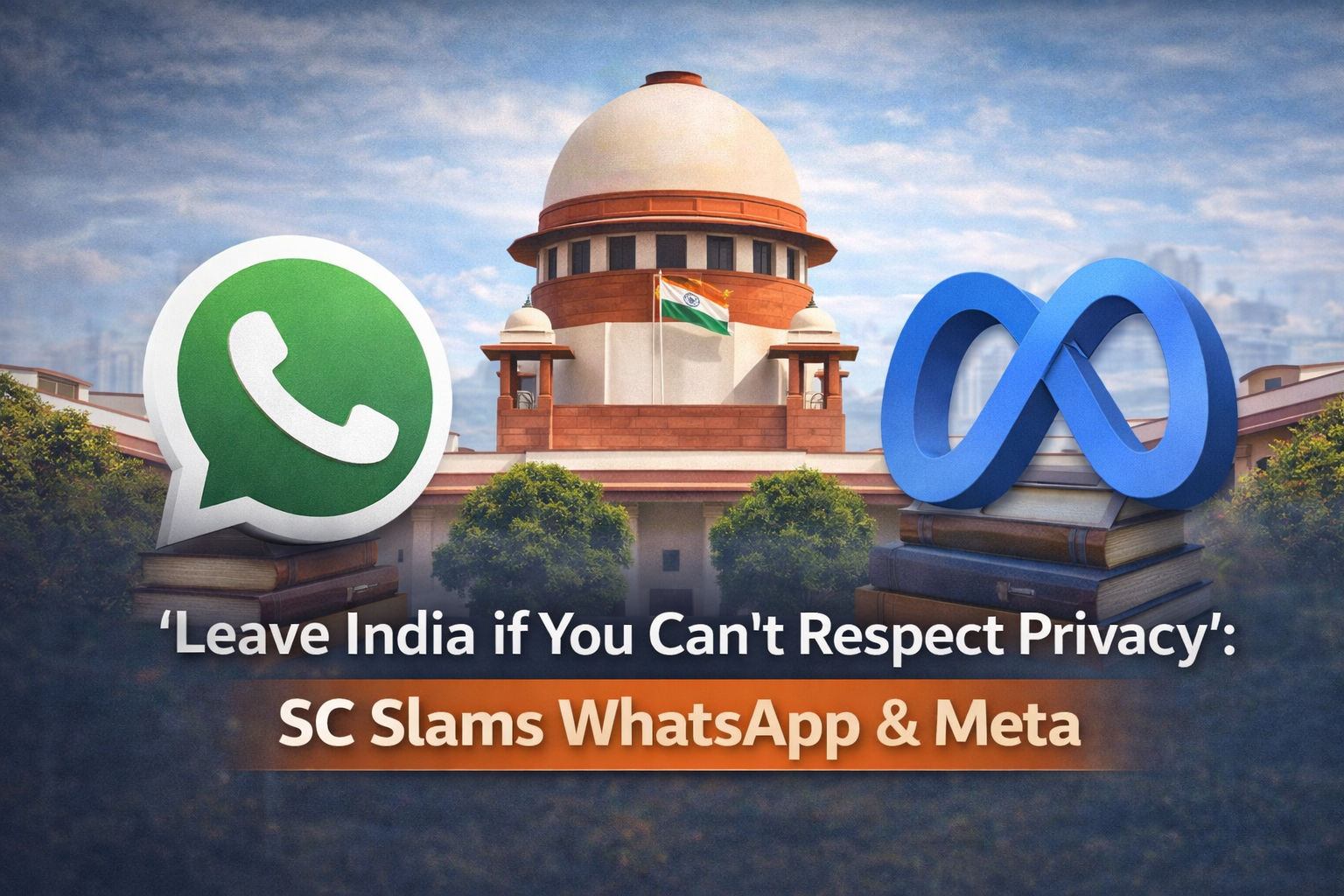
On February 3, 2026, Chief Justice Surya Kant delivered a stinging rebuke to tech giants WhatsApp and Meta, labeling their data-sharing policy as a "decent way of committing theft." Addressing the 2021 "Take it or Leave it" policy, the Supreme Court made it clear: if a company cannot respect the Indian Constitution and the privacy of its citizens, it has no place in India. This landmark hearing sets a new benchmark for the Digital Personal Data Protection Act and redefined data as personal property rather than just information.
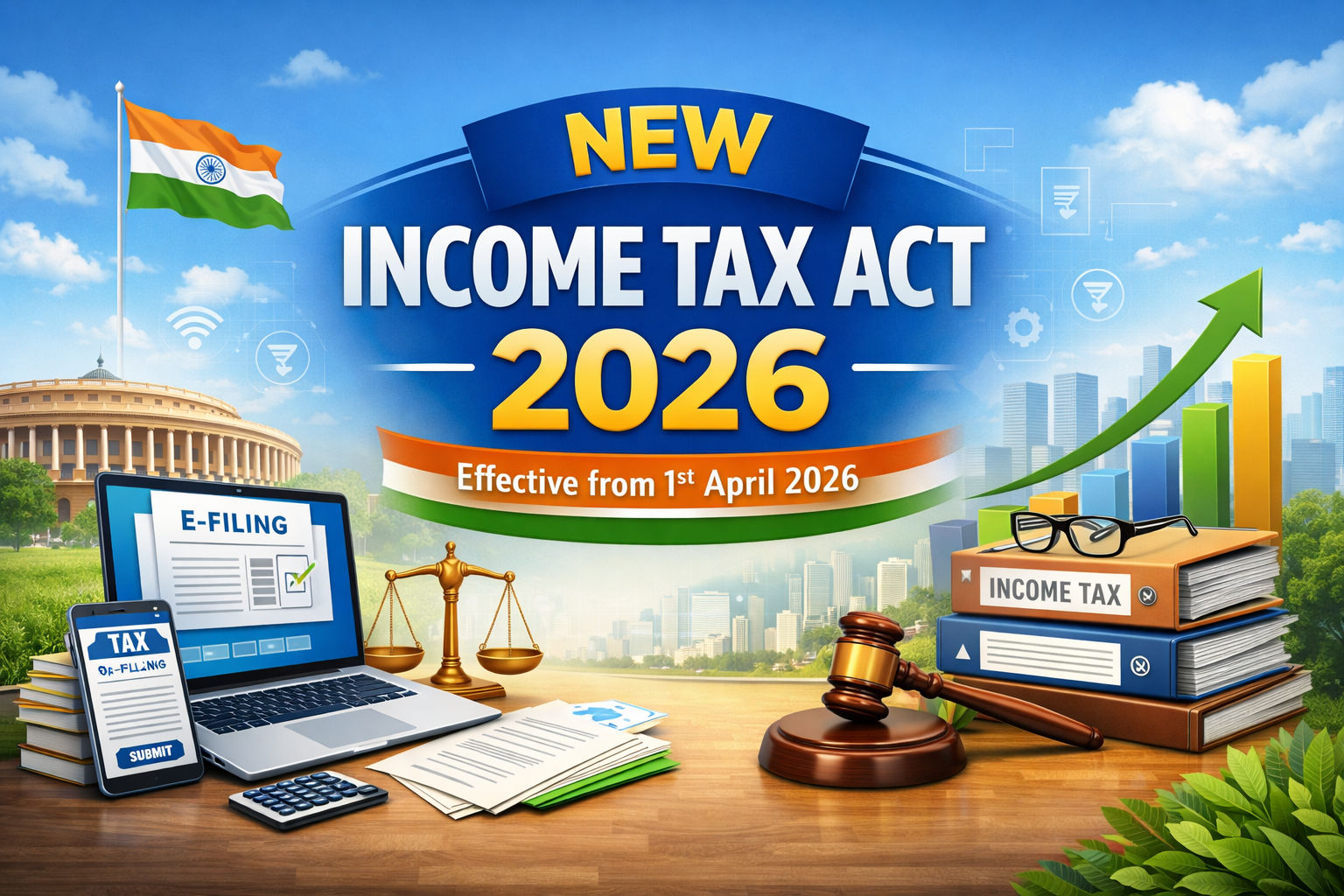
Introduced in Union Budget 2026, the New Income Tax Act 2025 replaces the 1961 law with simplified sections, digital filing, and taxpayer-friendly reforms.
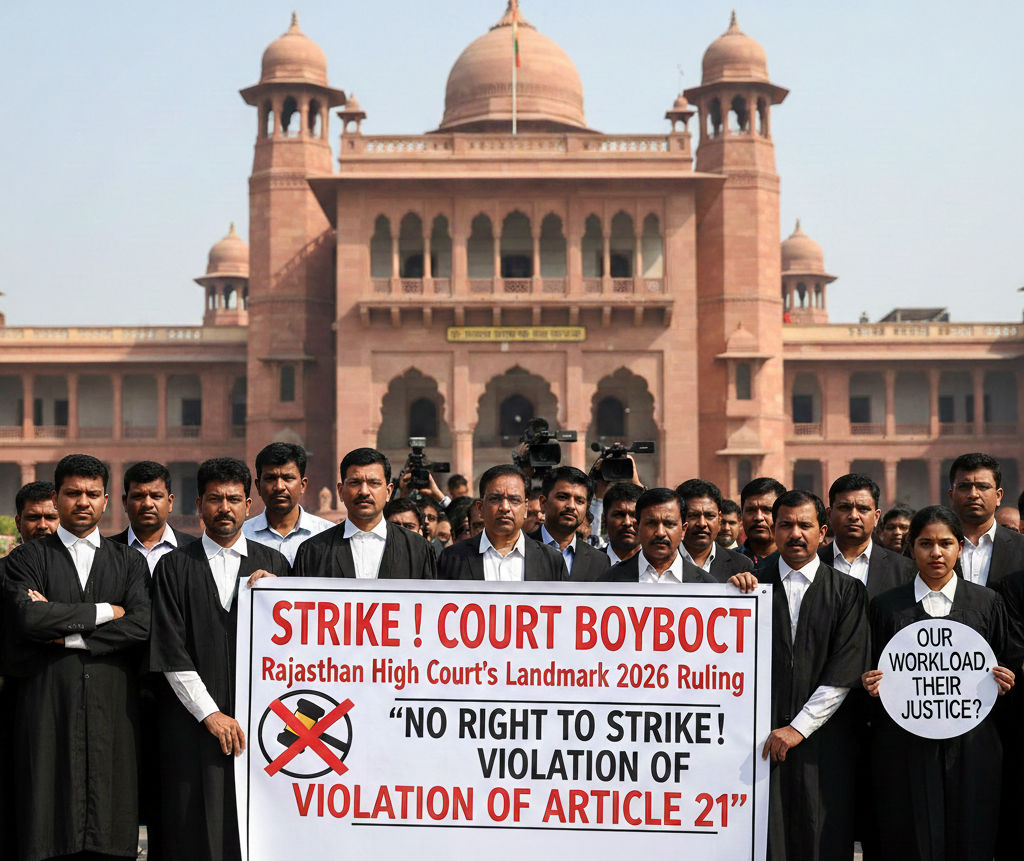
In a landmark decision on January 27, 2026, the Rajasthan High Court declared that lawyers' strikes and court boycotts are a direct violation of Article 21 (Right to Justice). Explore the judicial precedents, the conflict between Bar associations and the Bench, and the impact of this ruling on the Indian legal system.
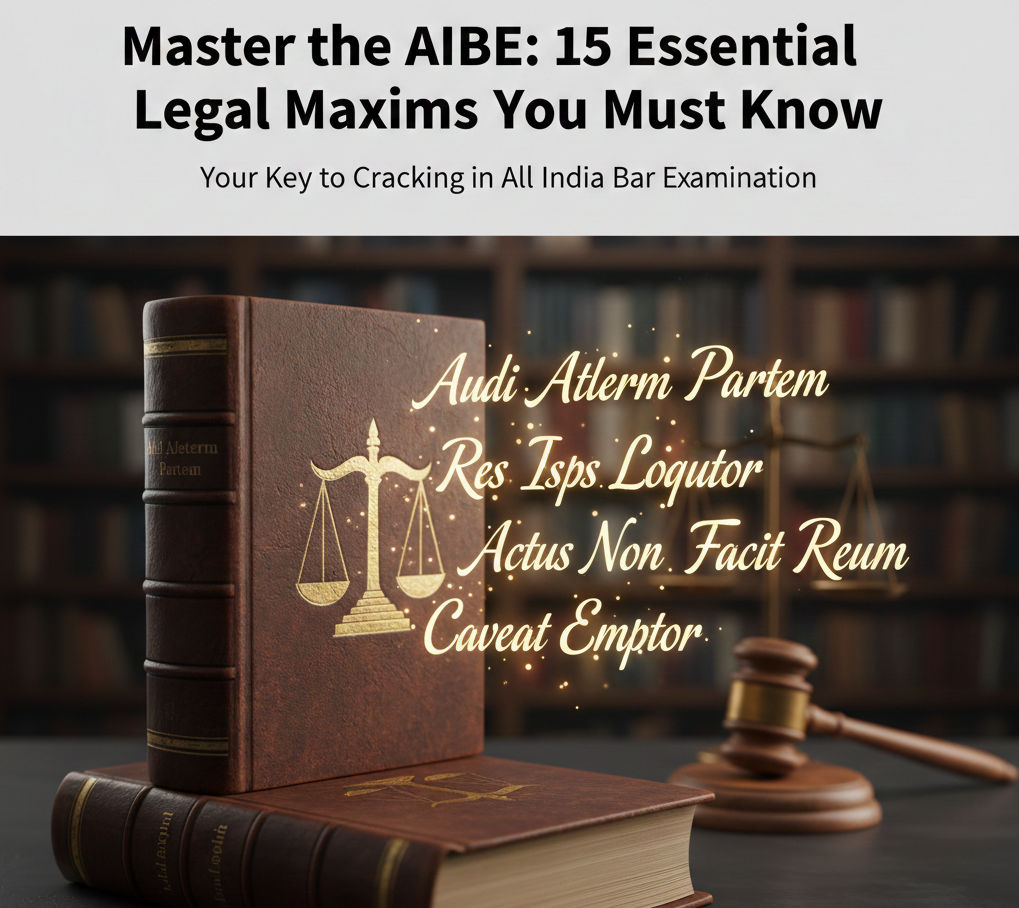
Cracking the AIBE requires more than just Bare Acts. Master essential legal maxims categorized by subject—from Constitutional Law to Torts and Contracts. This comprehensive guide simplifies complex Latin terms with clear meanings and exam tips to help you secure those crucial marks in the All India Bar Examination.
.png)
Explore the landmark case where the Supreme Court directed a Jharkhand lawyer to tender an unconditional apology for his viral remark, 'Don't cross the limit.' This article delves into the importance of courtroom decorum, the fine line between advocacy and aggression, and why professional ethics are non-negotiable in the Indian judicial system.
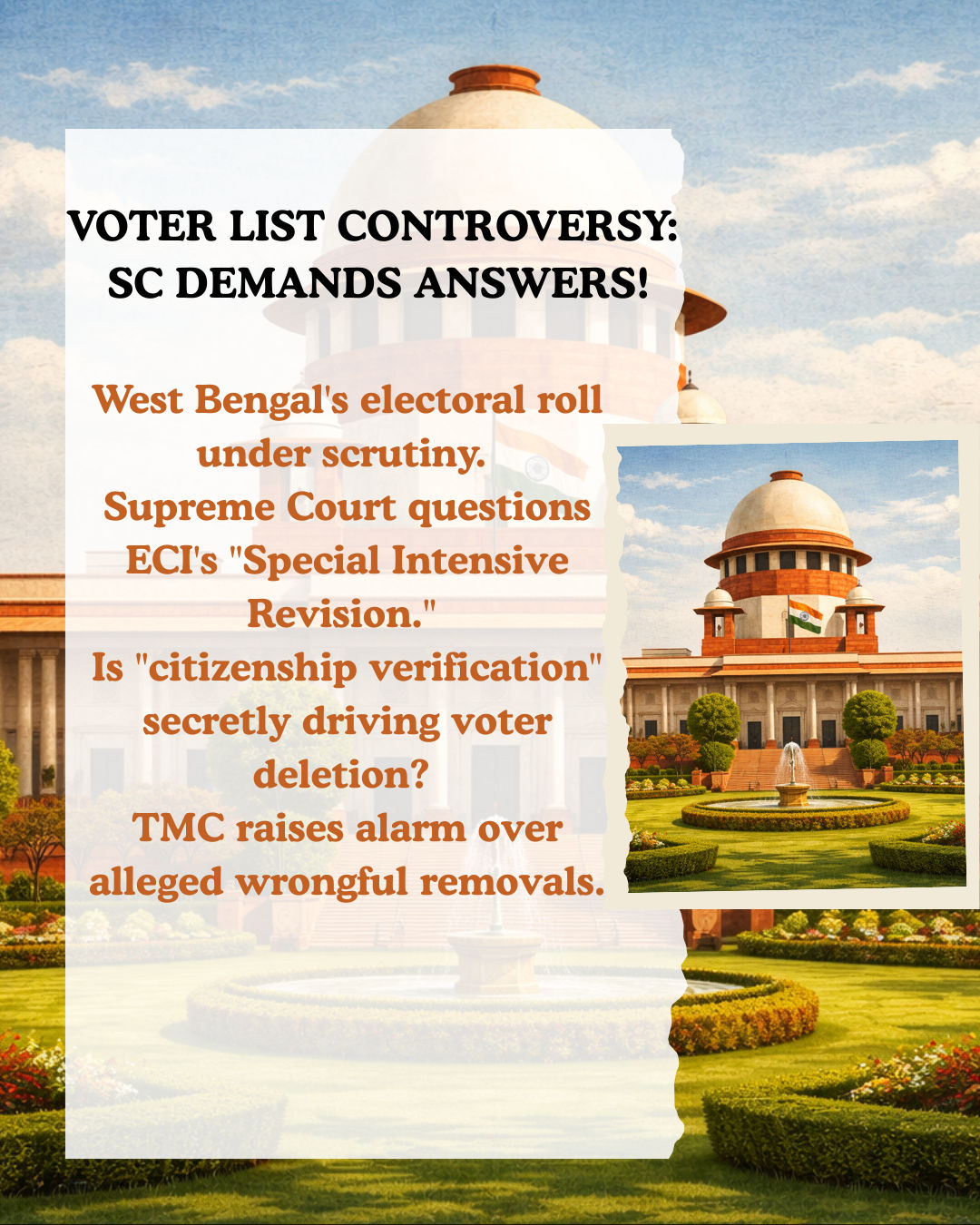
The Supreme Court recently scrutinized the Election Commission of India (ECI) over the Special Intensive Revision (SIR) of electoral rolls in West Bengal. With allegations of arbitrary voter deletions and "backdoor" citizenship checks, this legal battle raises critical questions about democratic rights and administrative transparency. Dive into the details of the Court’s stern observations and what this means for the future of voting in India.
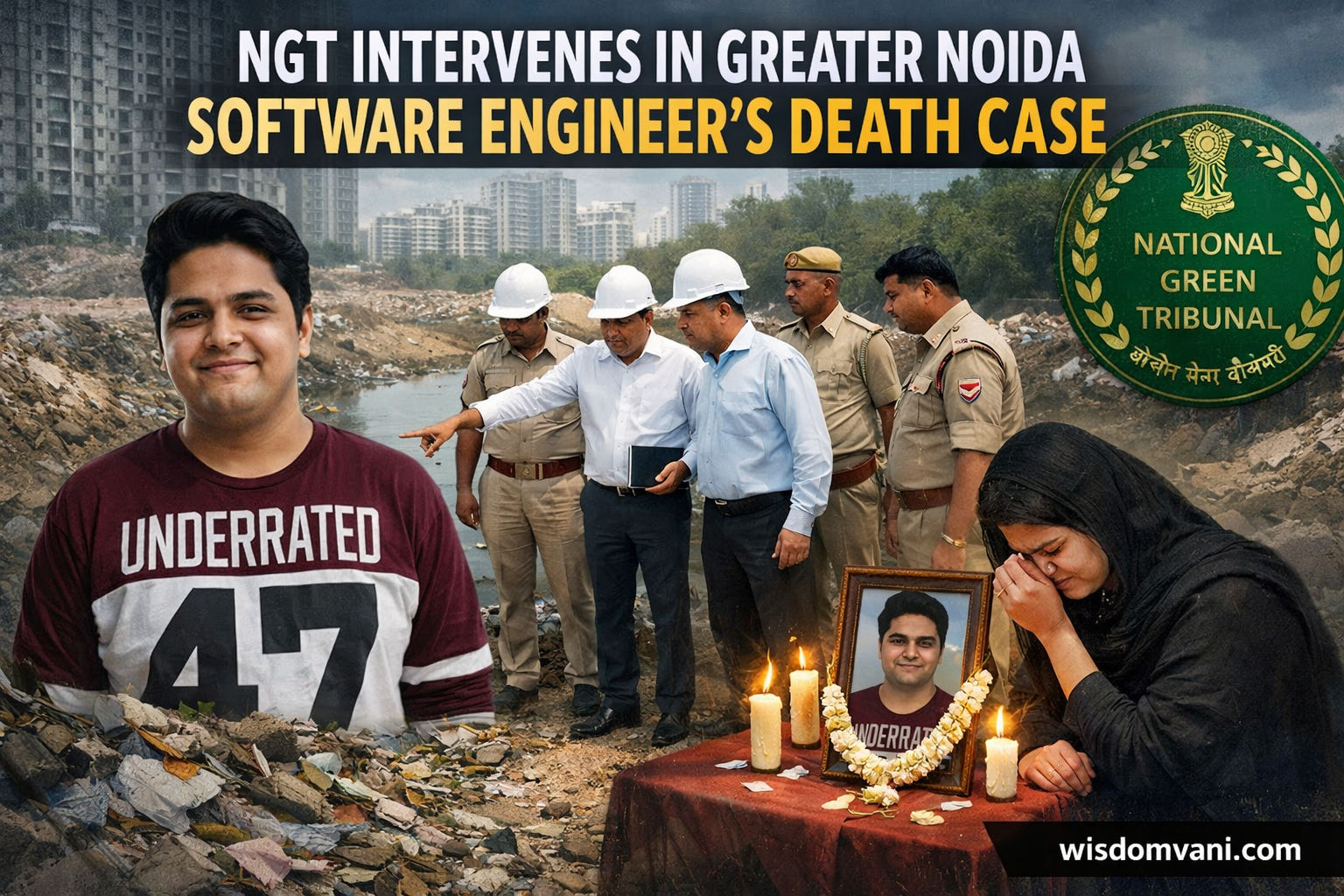
The tragic death of 27-year-old software engineer Yuvraj Mehta in Sector 150, Greater Noida, has ignited a legal battle over urban safety and administrative accountability. Mehta’s vehicle plunged into a 30-foot-deep, water-filled trench during a foggy night in January 2026. This pit, originally a construction site for a private mall, had transformed into a hazardous, unauthorized pond due to years of rainwater accumulation and illegal sewage discharge.

January 2026 indicate a serious health alert in India regarding the Nipah Virus (NiV). The virus has resurfaced in West Bengal, with the first confirmed cases in that state in nearly two decades. This has triggered high alerts in neighboring states like Jharkhand and Bihar, while Kerala remains under constant surveillance due to its history with the virus.

The Aravali Range is not just a collection of rocks; it is the ancient spine of North India. Stretching from Gujarat to Delhi, these hills act as a green shield against the Thar Desert and a vital recharge zone for our dying groundwater tables. However, in late 2025, a legal definition threatened to dismantle this shield forever.

The Indian Armed Forces began campaign Sindoor, a carefully thought-out military campaign that targets terrorist infrastructure in Pakistan and Pakistan-occupied Jammu and Kashmir (PoJK), on May 7, 2025. One of India’s biggest cross-border attacks since the Balakot airstrikes in 2019, this operation was a direct reaction to the deadly Pahalgam terror incident on April 22, 2025, which killed 25 Indian people and one Nepali national. The operation emphasised India’s steadfast commitment to combating terrorism in addition to showcasing its military prowess.
This article provides a complete summary of the Indian government’s response to the recent terror incident in Pahalgam, Jammu and Kashmir, on April 22, 2025, which resulted in the unfortunate deaths of 26 tourists.